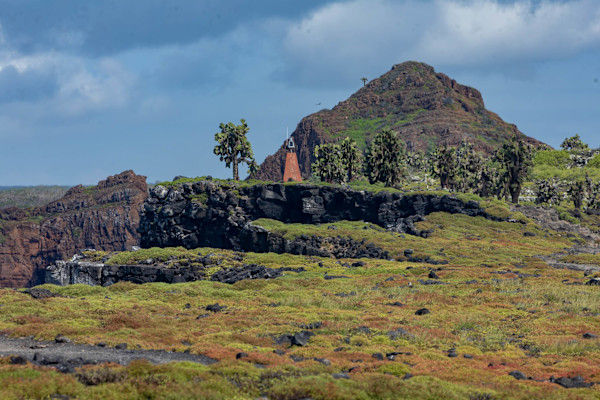
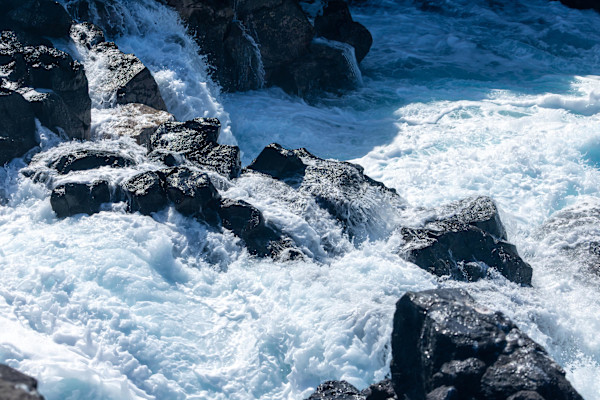
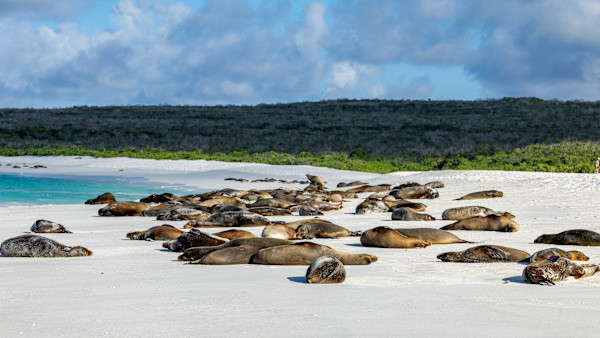
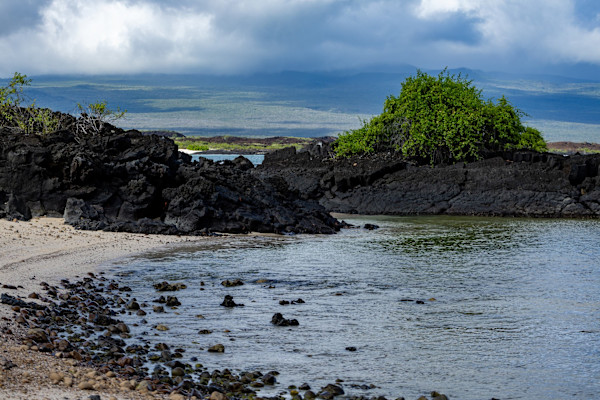
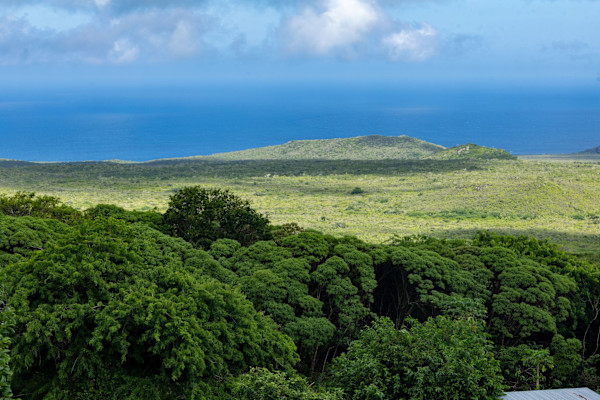
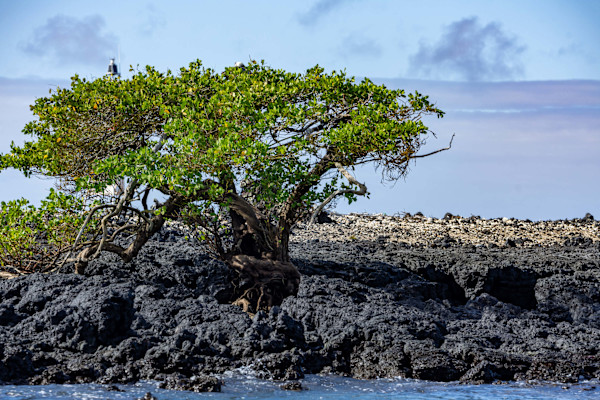
Española Island, also known as Hood Island, is the oldest island in the Galápagos archipelago geologically speaking, estimated to be between three and five million years old, and despite being one of the more remote islands in the chain — sitting at the southernmost tip of the archipelago — it is widely regarded as one of the most spectacular and rewarding wildlife destinations in the entire island group, offering an almost overwhelming concentration of endemic species and extraordinary natural spectacles packed into its relatively modest area of approximately 60 square kilometers. The island is perhaps most celebrated as the sole nesting site in the world for the waved albatross, the largest bird in the Galápagos, and witnessing the elaborate, almost comical courtship rituals of these magnificent seabirds — with their bill-clacking, sky-pointing, and waddling dances performed between devoted pairs — is one of the most unforgettable wildlife experiences the archipelago has to offer, available to visitors during the nesting season from approximately April through December. Española is also home to its own unique subspecies of marine iguana, the Española marine iguana, which is notably distinguished from its counterparts on other islands by its striking coloration — during the breeding season the males display vivid patches of red and green against their dark skin, earning them the nickname "Christmas iguanas" and making them among the most colorful reptiles in the Galápagos. The island's two main visitor sites offer dramatically contrasting landscapes and experiences — Punta Suárez on the western tip delivers a rugged, wind-swept clifftop trail alive with nesting seabirds including Nazca boobies, red-billed tropicbirds, and swallow-tailed gulls, as well as a magnificent blowhole that sends geysers of spray dramatically skyward, while Gardner Bay on the northeastern shore offers one of the most achingly beautiful beaches in the Galápagos, a long, sweeping crescent of brilliant white coral sand lapped by crystal-clear turquoise waters and shared with a boisterous, utterly fearless colony of sea lions whose pups frolic in the shallows with irresistible exuberance. The island's extreme age and long isolation have driven remarkable levels of endemism, and its ecosystems, though stark and sun-baked in the arid lowland zones dominated by prickly pear cacti and low scrub, pulse with an intensity of life and evolutionary wonder that makes Española an absolutely essential and deeply memorable destination for anyone fortunate enough to explore the living laboratory of the Galápagos Islands.