
A Native American of French-Cree, Shoshone, and Salish blood, Jaune Quick-to-See Smith created paintings and drawings that reflect her upbringing in a household where art and horses were equally important. Her chosen imagery often included her horse Cheyenne, tepees, tools, pottery, and other Indian artifacts. Later Smith began to incorporate collage elements into her paintings, adding calico and muslin fabric and wire mesh over which she applied paint. The result was surfaces that acquired a texture and topography reminiscent of the landscapes she was depicting. She was part of the new generation of Native American artists who redefined their culture's relationship to contemporary American life and its problematic past. She lived and worked in Corrales, New Mexico, a smaller town just north of Albuquerque – the land that inspired much of her art.
Viewing
collection
Printmaking
Clear context

Additional Artworks
From Van Every/Smith Galleries at Davidson College
-
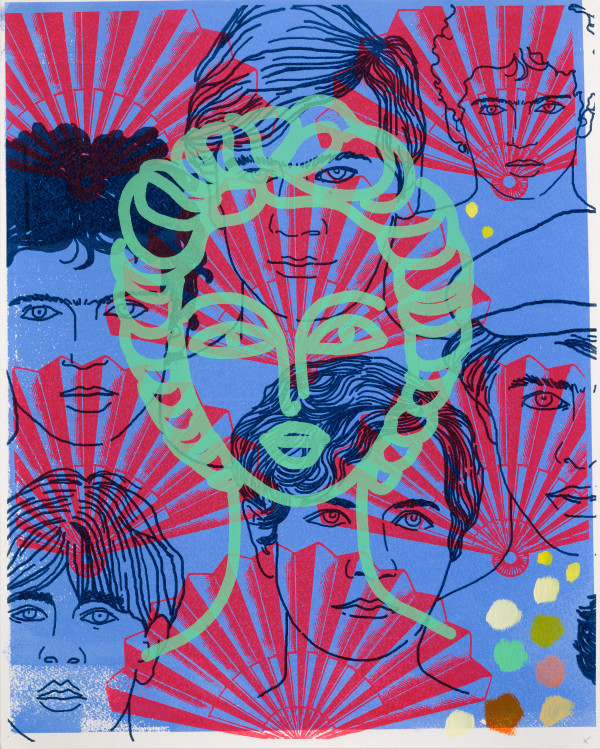
Ludovica Gioscia
True Blue, 2021
Four color screenprint on acid free watercolor 300 gsm paper
20 x 16 in (50.8 x 40.64 cm)
-
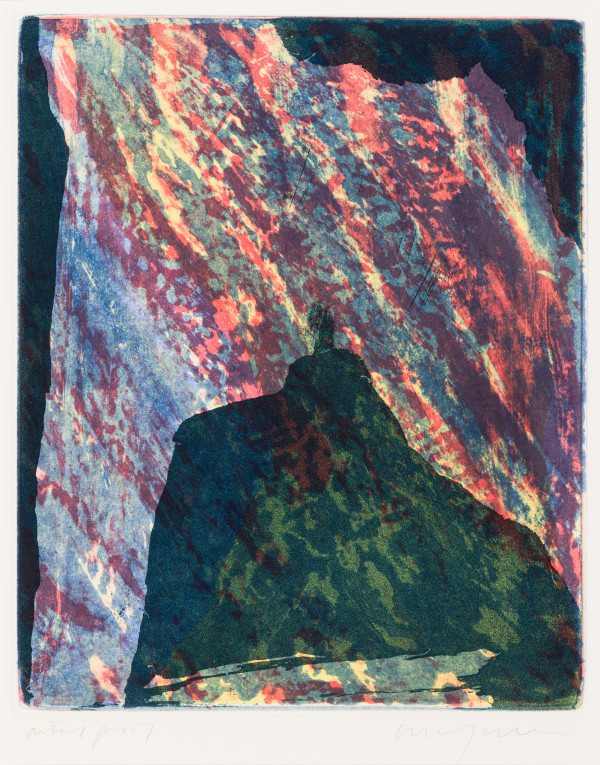
Herb Jackson
Dark Moon, 1989
Etching and aquatint on paper
9.5 x 7.75 in (24.13 x 19.69 cm)
-
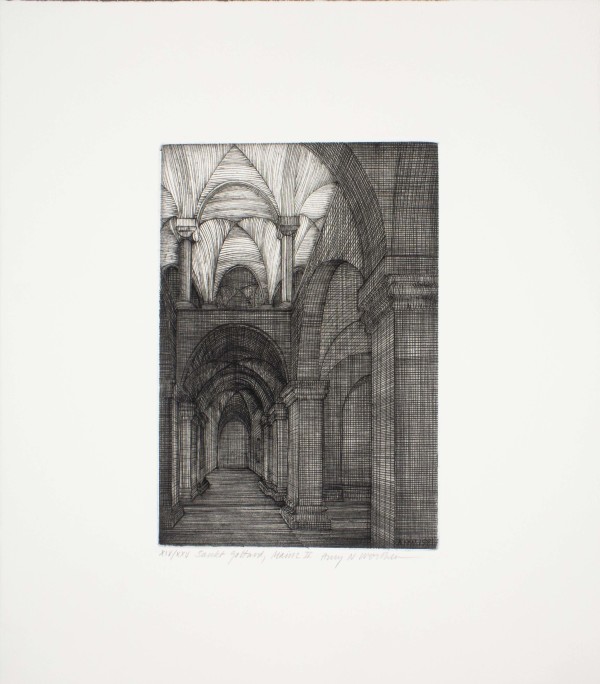
Amy Namowitz Worthen
Sankt Gottard, Mainz II, 1982
Engraving on paper
14.5 x 12.75 in (36.83 x 32.39 cm)
-
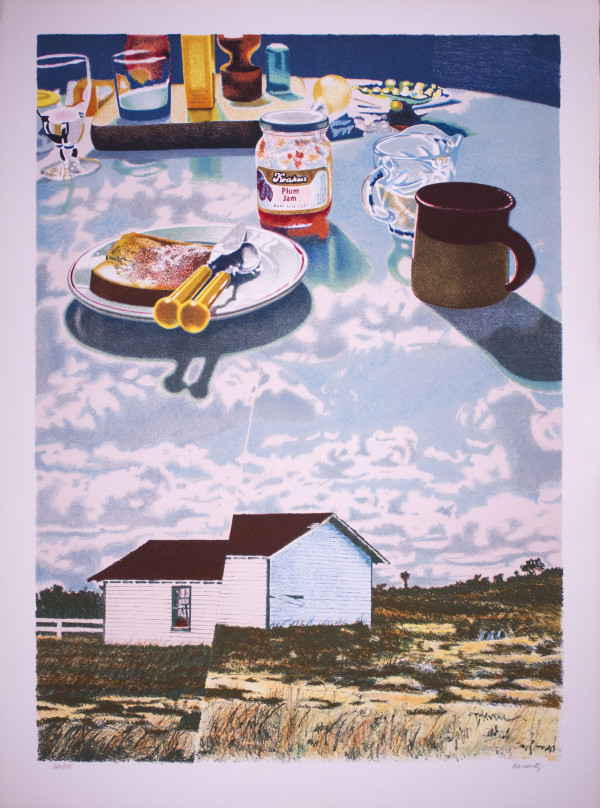
Howard Kanovitz
Windmill Antilles, 1980
Lithograph on paper
32.5 x 24 in (82.55 x 60.96 cm)
-
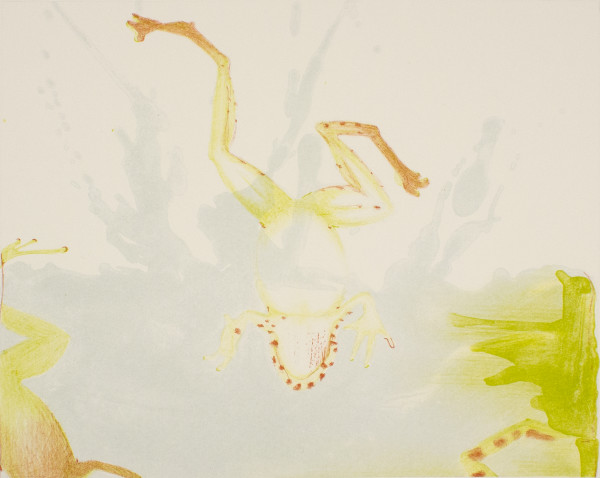
Gay Rogers
Splasher, 1980
Lithograph on paper
13.125 x 15 in (33.34 x 38.1 cm)
-
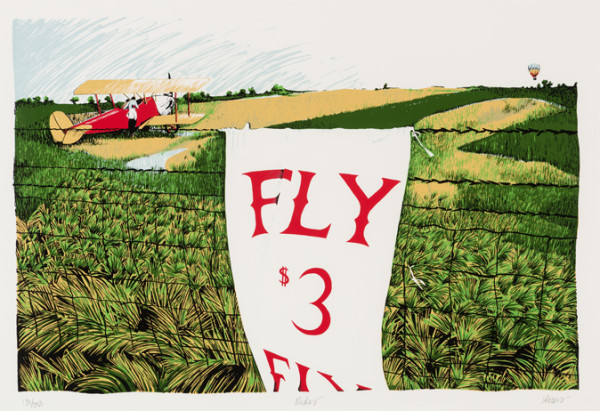
Joyce Arons
Rides, 1979
Lithograph on paper
23.125 x 29 in (58.74 x 73.66 cm)
-
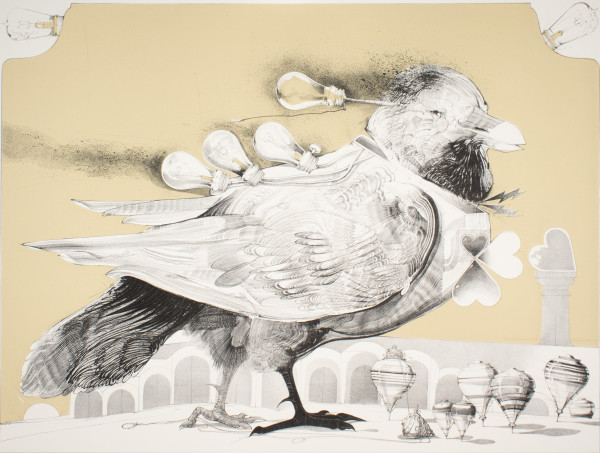
Robert A. Nelson
Edison's Bird, 1979
Lithograph on paper
28 x 37.75 in (71.12 x 95.89 cm)
-
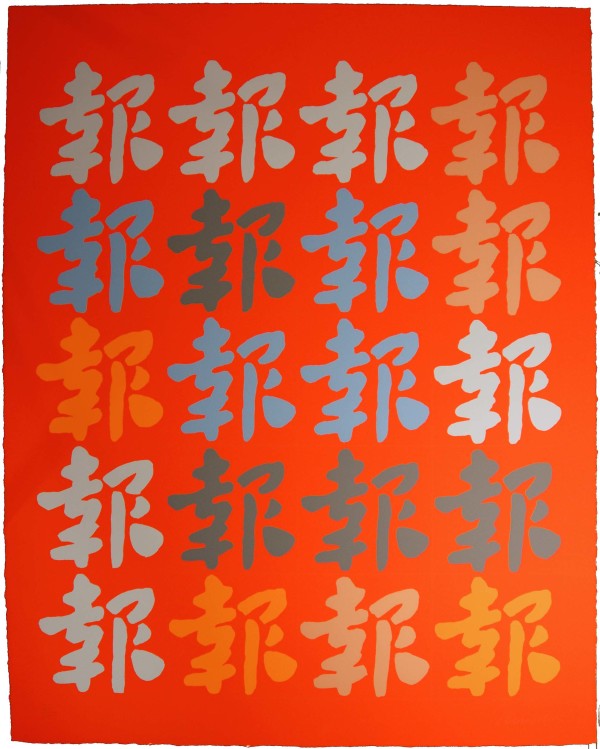
Chryssa
Chinatown, 1978
Screenprint on paper
38.25 x 31.25 in (97.16 x 79.38 cm)
About the artist
Jaune Quick-To-See Smith
Confederated Salish and Kootenai Nation
1940-2025