
A Native American of French-Cree, Shoshone, and Salish blood, Jaune Quick-to-See Smith created paintings and drawings that reflect her upbringing in a household where art and horses were equally important. Her chosen imagery often included her horse Cheyenne, tepees, tools, pottery, and other Indian artifacts. Later Smith began to incorporate collage elements into her paintings, adding calico and muslin fabric and wire mesh over which she applied paint. The result was surfaces that acquired a texture and topography reminiscent of the landscapes she was depicting. She was part of the new generation of Native American artists who redefined their culture's relationship to contemporary American life and its problematic past. She lived and worked in Corrales, New Mexico, a smaller town just north of Albuquerque – the land that inspired much of her art.

Additional Artworks
From Van Every/Smith Galleries at Davidson College
-
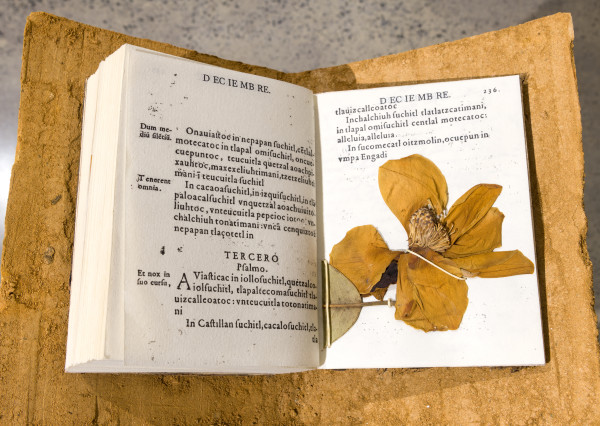
Lorena Mal
Psalmodia Naturalis (Southern Magnolia - Yolloxochitl - Magnolia Grandiflora), 2022
Cotton paper, ink, tree bark and pressed flowers, rammed earth pedestal made with Cecil soil from Davidson and soil from Mexico City
5.3125 x 7.25 in (13.49 x 18.42 cm)
-
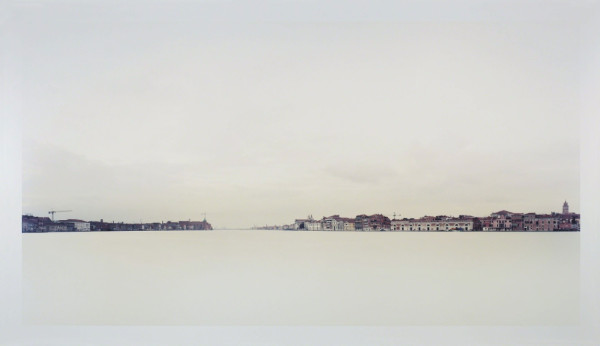
Sze Tsung Nicolás Leong
Canale della Guidecca II, Venezia, from Horizons, 2007
Chromogenic print on aluminum
27.25 x 47.25 in (69.22 x 120.02 cm)
-
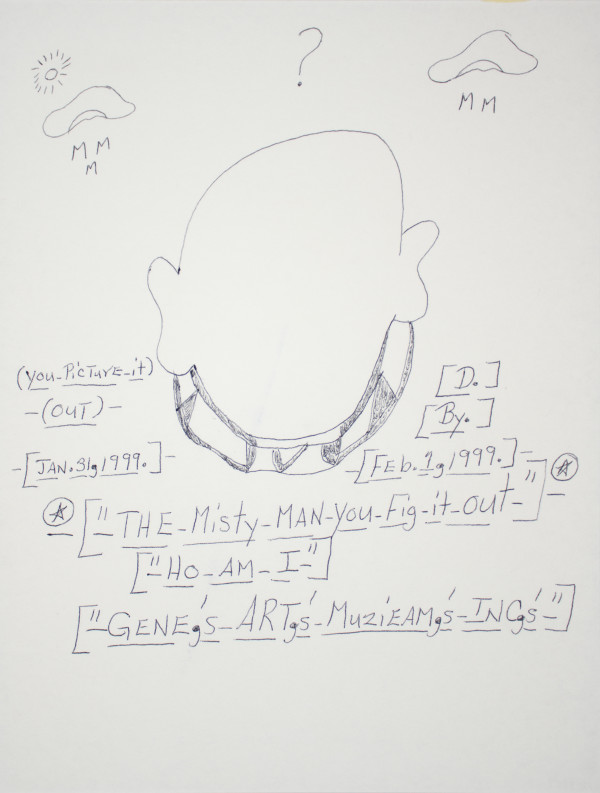
Gene Merritt
The Misty May You Fig It Out, 1999, 1999
Ink on paper
11 x 8.375 in (27.94 x 21.27 cm)
-
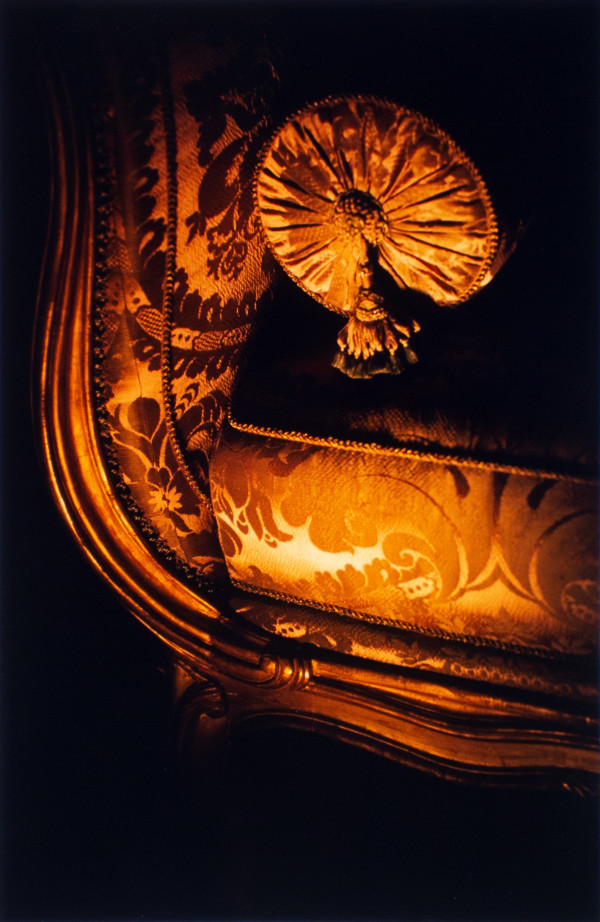
Ralph Gibson
Untitled (Bronze Divan), Paris, 1982
Chromogenic print
20 x 16 in (50.8 x 40.64 cm)
-
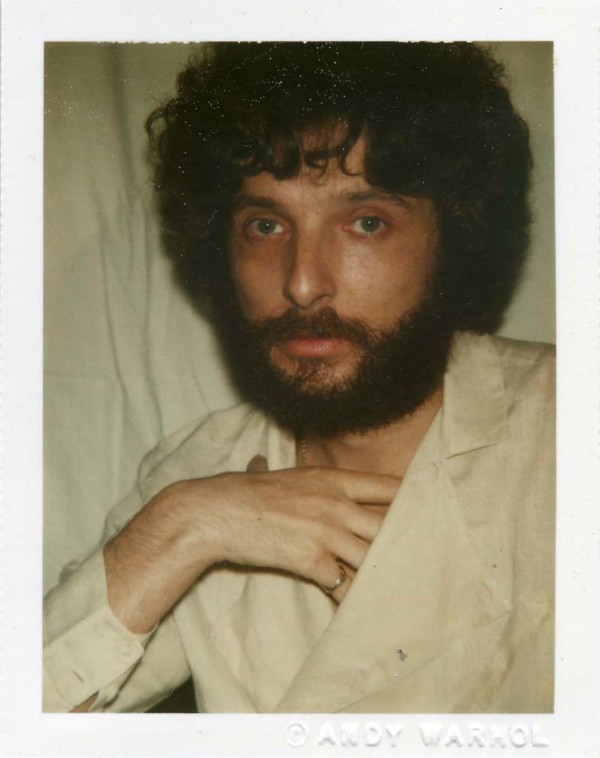
Andy Warhol
Andre Heller, 1981
Polaroid
4.25 x 3.375 in (10.8 x 8.57 cm)
-
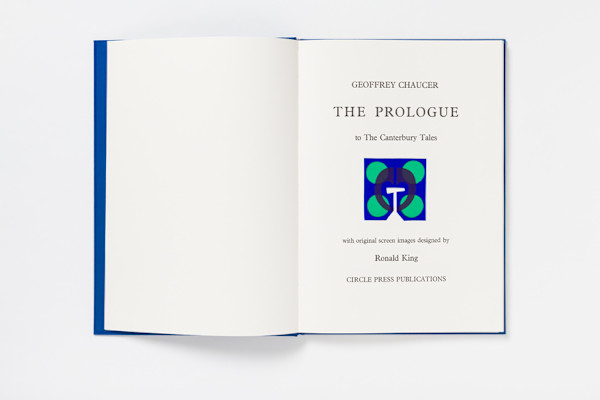
Ronald King
The Prologue, Second Edition, 1978
Book with silkscreens
16.25 x 11.125 in (41.28 x 28.26 cm)
-
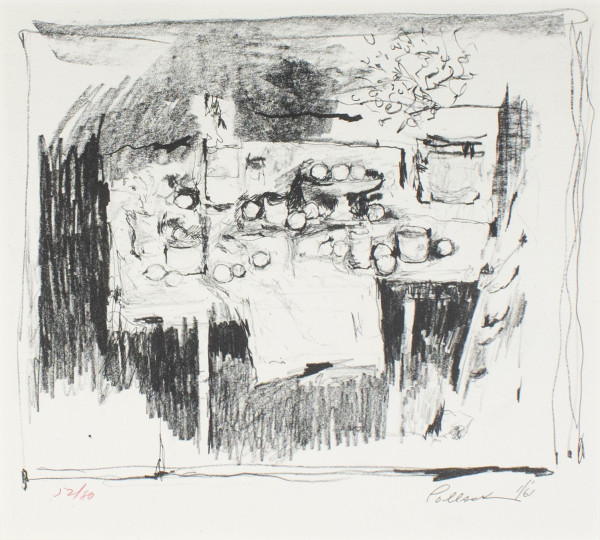
Reginald Pollack
Still Life with Orange, 1961
Lithograph on paper
9 x 9.875 in (22.86 x 25.08 cm)
-
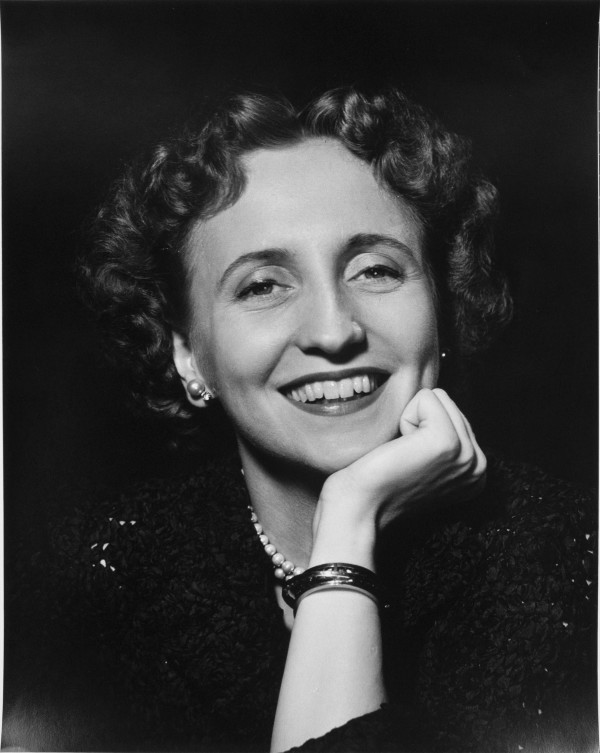
Philippe Halsman
Margaret Truman, 1952
Gelatin silver print
14 x 11 in (35.56 x 27.94 cm)
About the artist
Jaune Quick-To-See Smith
Confederated Salish and Kootenai Nation
1940-2025