Artist Statement — The Condition of Music Series
“All art constantly aspires to the condition of music.” — Walter Pater
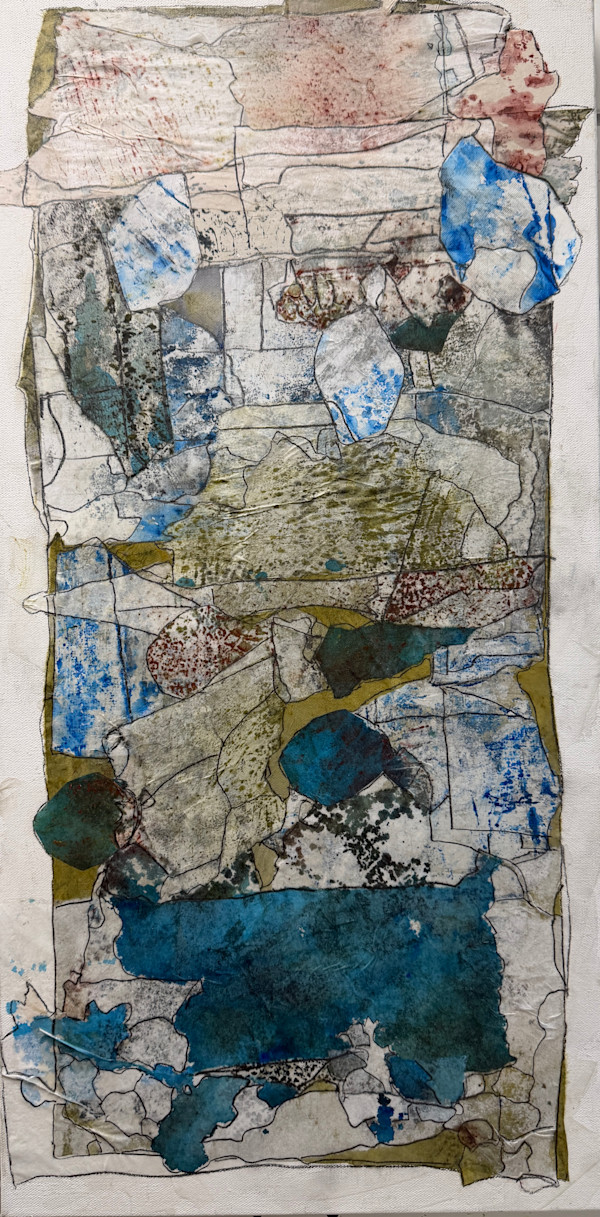
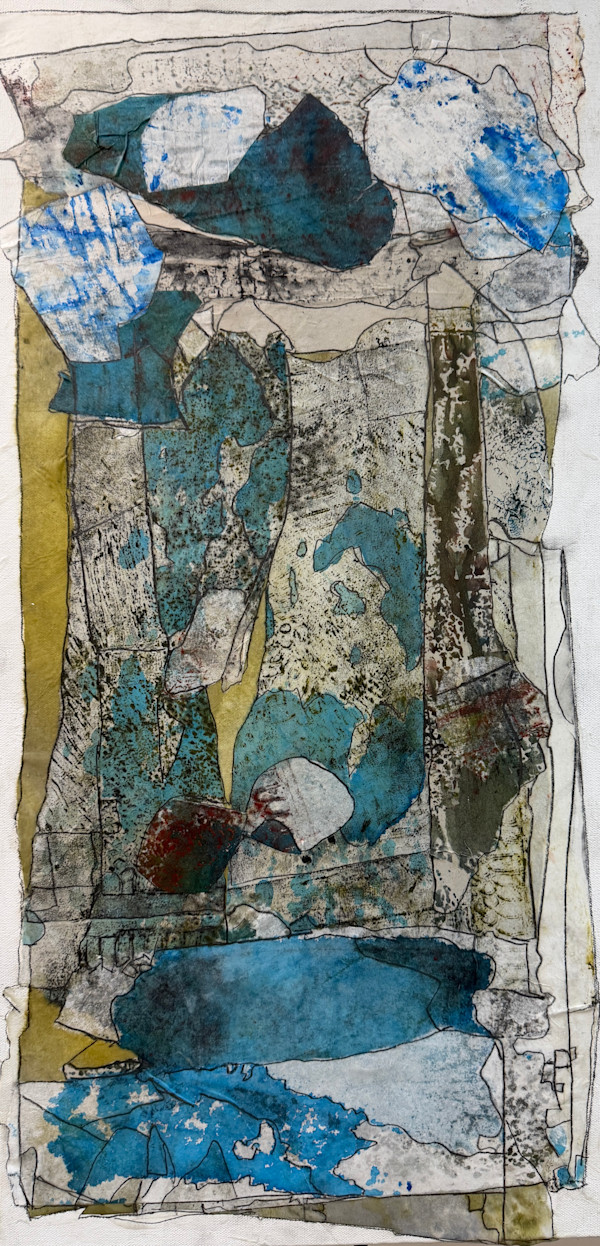
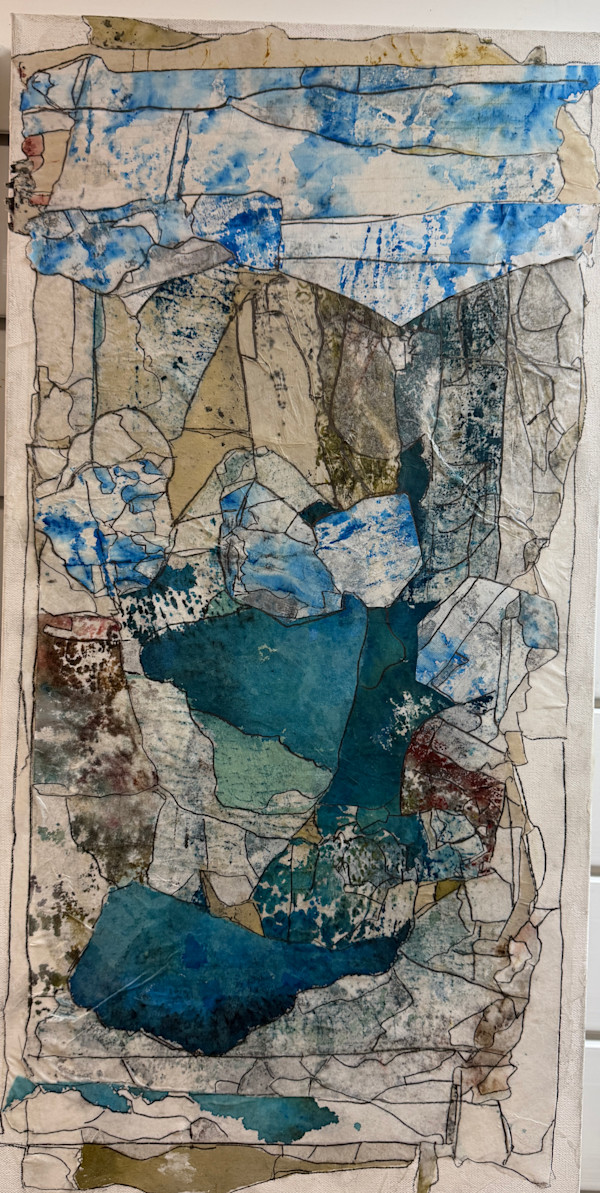
The Condition of Music is a body of work born from that idea — that painting, like music, can hold rhythm, silence, dissonance, and grace without the need for words or narrative. Across this series, I explore how sound becomes form and emotion becomes structure. Each piece is an interpretation of a musical work or tradition — from Baroque counterpoint to jazz improvisation, from folk song to modern lament — translated into the language of abstraction.
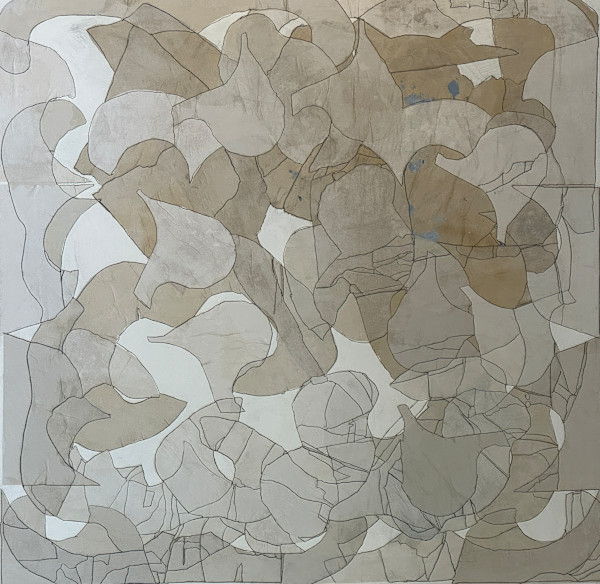
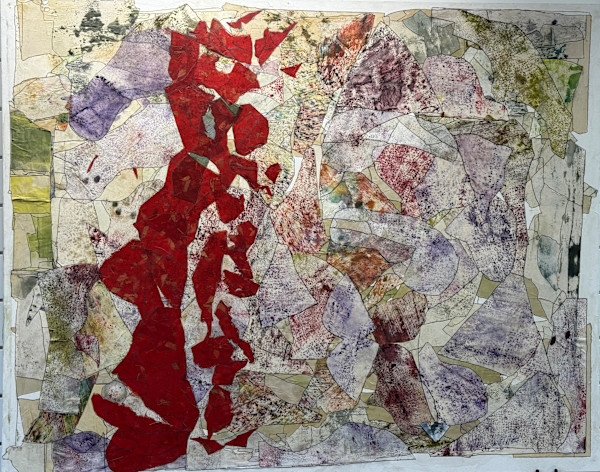
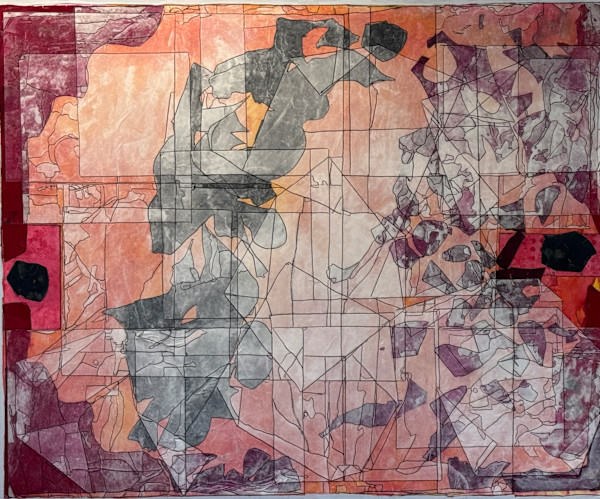
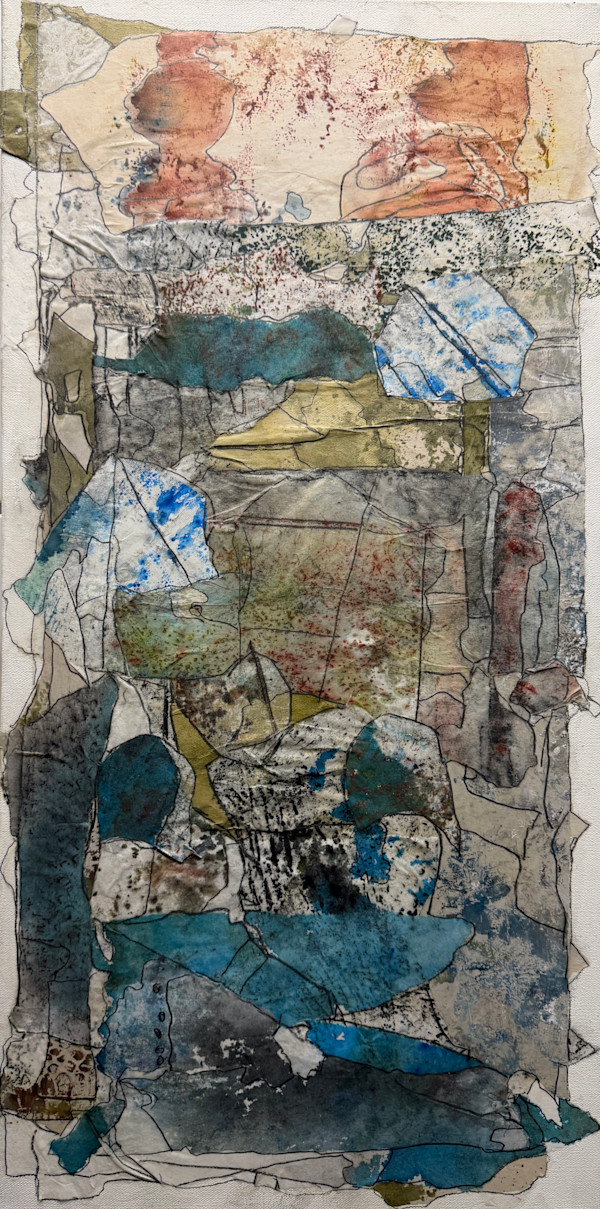
In these paintings, gesture functions as phrasing; color, like tonality, sets mood and key. Layers of paper, pigment, and graphite move as overlapping voices do in a fugue or canon — repetition, variation, and echo creating visual polyphony. Some works pulse with syncopation and drive, others hover in suspended rhythm, like breath held between notes.
Pieces such as Les Barricades Mystérieuses draw from the structured elegance of Baroque ornament — repetition as meditation, restraint as beauty. They Dance Alone carries the mournful resonance of Sting’s Cueca Solo, its quiet lament unfolding in E minor tones of sorrow and endurance. A Night in Tunisia translates the restless improvisation of jazz into motion and texture — where visual rhythm replaces sound but keeps its pulse. Sumer is Icumen In celebrates early English polyphony, a chorus of rebirth and renewal, while The Wind Is In from Africa recalls the open, wandering melody of Joni Mitchell’s Carey, a folk song filled with light, longing, and memory.
Each work moves within its own tonal register — major and minor, harmony and dissonance — yet together they form a larger orchestration of emotion and history. What unites them is not their reference to specific pieces of music, but their pursuit of the condition that music achieves: immediacy, structure through time, and the ability to convey feeling beyond representation.
In The Condition of Music, painting becomes performance — an improvisation of rhythm, color, and silence. The surface is both score and instrument. What emerges is not an illustration of music, but its echo — the point where sound dissolves into space and becomes visible.