
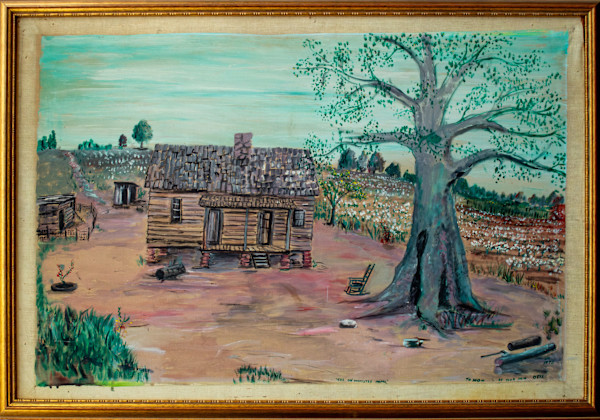
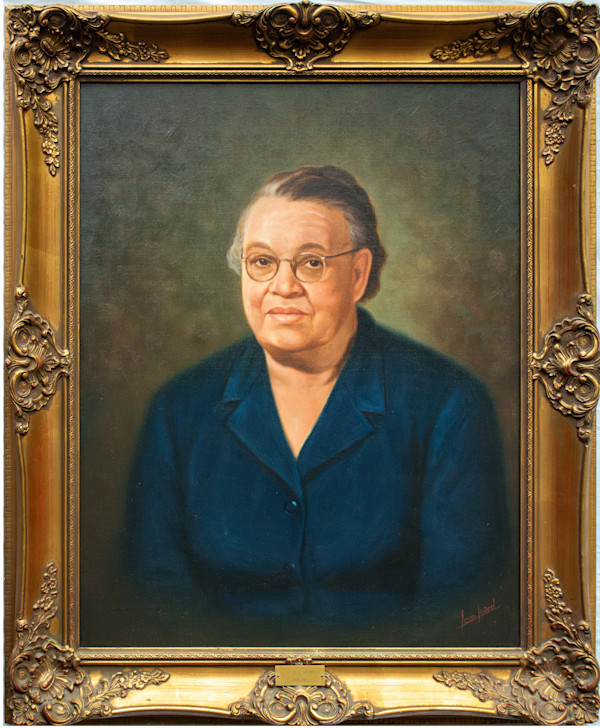
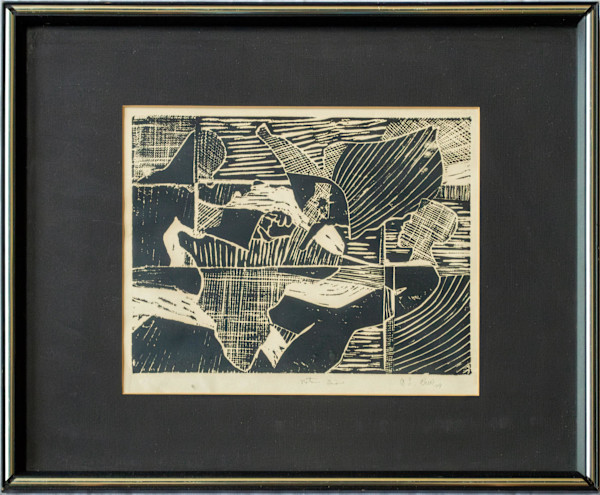
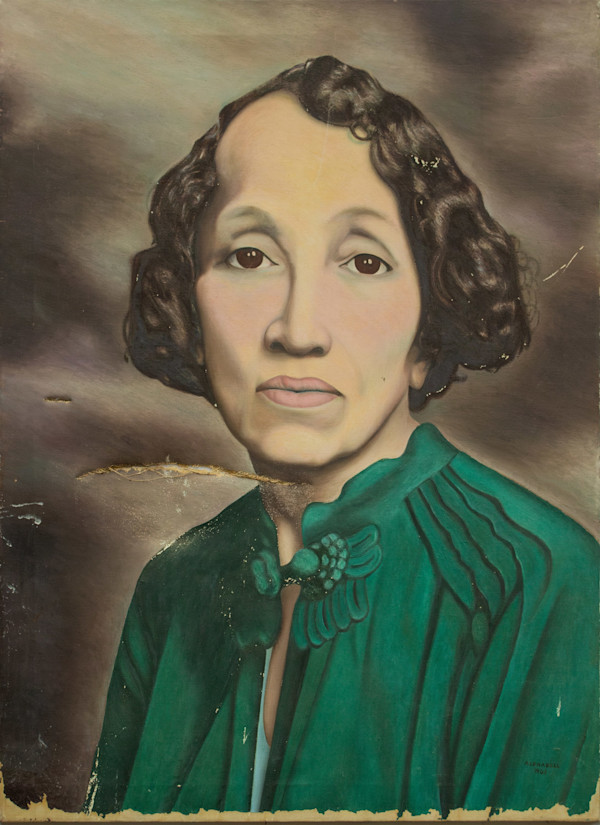

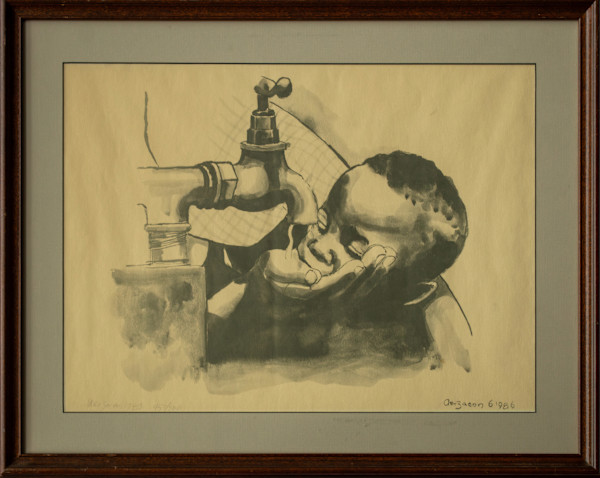
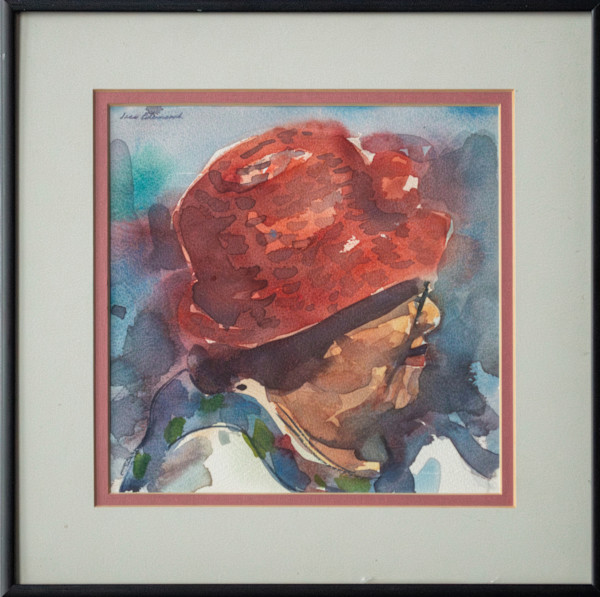
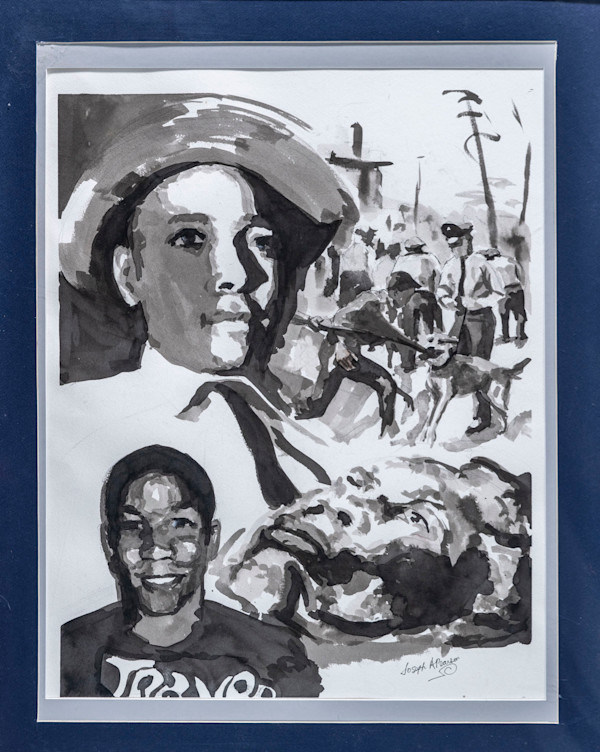
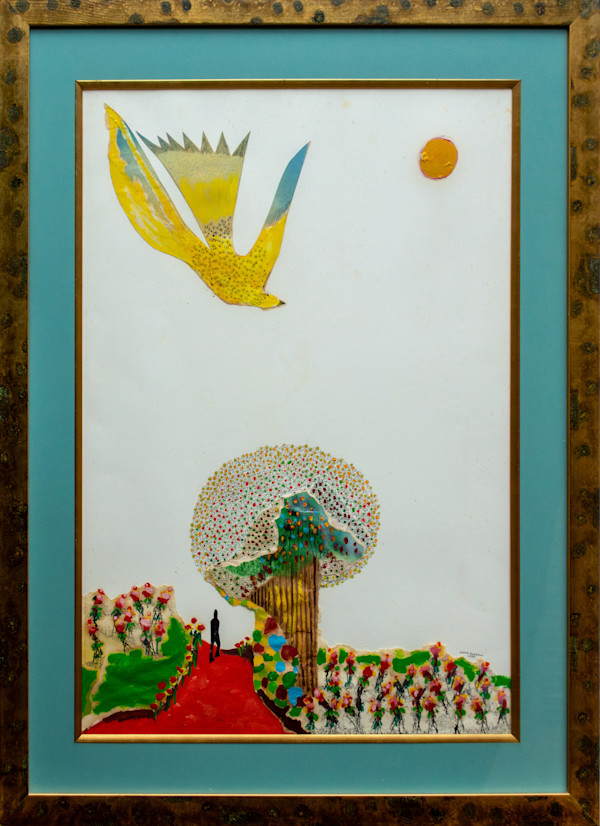
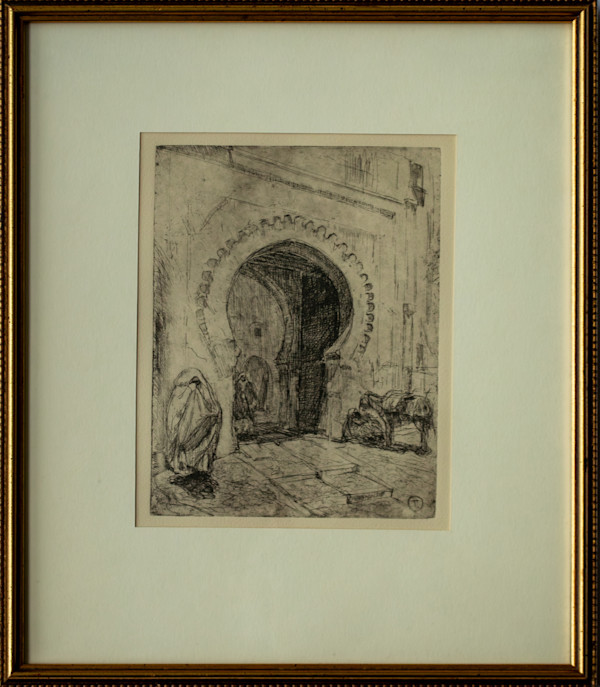
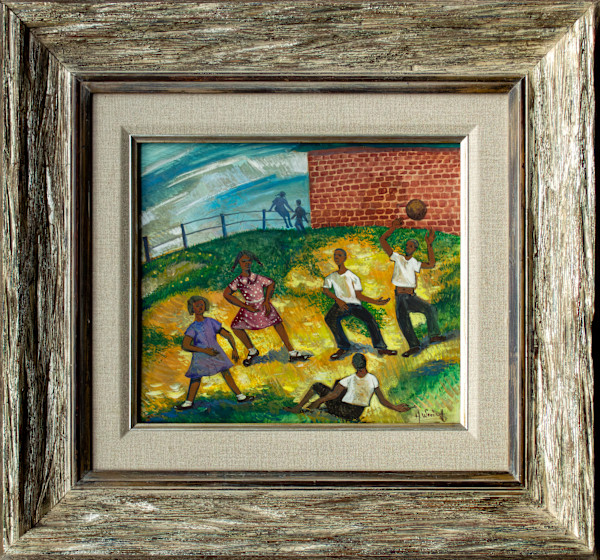
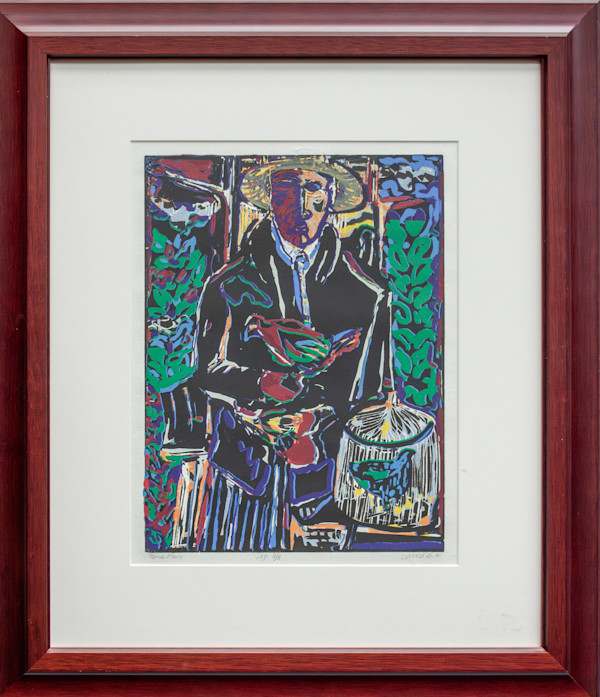
"I feel that part of being an educated person is to leave a legacy," said Cooke. "My particular legacy includes a collection of very valuable art. I hope the students at ASU will look upon these beautiful pieces, learn and take pride in knowing that they are near and accessible to them."
Alumna Dr. Gwendolyn J. Cooke made a decision that will reap significant benefits for Alabama State University. She has committed to a giving initiative that involves the donation of part of her extensive art collection to the University. Cooke earned a degree in English from ASU in 1965 and earned her master's from Morgan State University in 1966. She went on to a distinguished 40-year career as an educator and education administrator. Cooke began her career as a high school English teacher in Baltimore. She later served in various administrative capacities ranging from principal to director of schools, and deputy superintendent to superintendent of Warrensville City Schools in northwest Ohio.
Over the years, Cooke amassed an impressive collection of works by printmakers of various backgrounds and by African-American artists, including Jacob Lawrence, Elizabeth Catlett, Romare Bearden and Benny Andrews. Cooke's love for collecting was inspired by one of her graduate school professors. "I bought my first piece, a lithograph of an African-American woman, in 1966 for a humanities course. It began a passion that just stuck with me over the years," said Cooke.
Cooke said she wants her donation to be used not only to inspire a love of art in future generations of Hornets, but also to foster a tradition of planned giving in her fellow alumni. "I want them to receive a twofold message from this gift. One is that we ought to be collecting and the other is that we should give back to the institution or institutions that have supported and nurtured us," she said. "What we give back might be cultural, as mine is. This gift is African American centered, but I think other people can give gifts to increase the University's collection and to foster appreciation for the humanities in general."