There was a time, long ago, when I belonged to the woods. The trees knew me then. I would climb their branches, high enough to feel the wind rock me, high enough to see the world laid out below, and I would listen—to the hush of leaves, to the distant calls of birds, to the sound of other children playing in the distance. I built homes for acorns in the roots of giant oaks, fashioning tiny rooms from moss and twigs, as if I could slip into them myself. I ran through the trees, traced my hands over bark and felt, in some deep and certain way, that I was touching something wild, old and deeply loving. When I was restless, lost, aching from the things childhood had no words for, I ran to the woods... I let the trees surround me, let the wind press its cool breeze against my face, let the silence of the earth take the weight I couldn’t hold. The land comforted me. It held me as I was. No expectations, no need to be anything but part of the breath and rhythm of it all.
And then, I left it behind.
Life filled up with noise—family, cities, the endless pull of doing and becoming, giving myself over to the needs of others, as women do. The wild girl who built acorn houses and listened to the trees faded into memory. I painted, but I painted happy scenes, beach trips, portraits, and still lifes. Then, came the birds’ nests. Small things, contained things. It seemed natural enough—my children had left home, and I was drawn to the metaphor. But something deeper stirred as I painted them. Layer by layer, brushstroke by brushstroke, I wasn’t just painting nests. I was painting myself back into being. I was painting the loss, the hope, the joy and sorrow. With each nest, I felt more…me.
And then came Ireland.
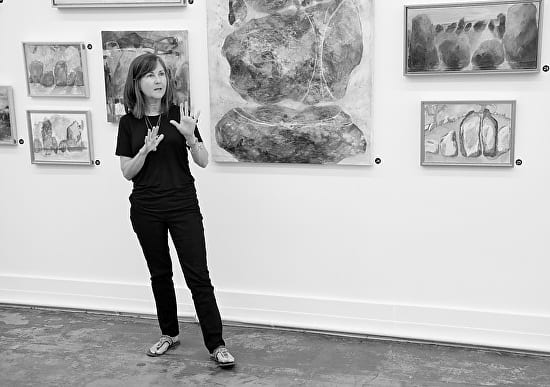
A part of me woke up as I explored this new and yet somehow, familiar landscape. I walked in woods, along paths worn and lined with wild garic. Once, I found a carved viking left by an unknown artist in a clearning and other times I found standing stones that had stood for thousands of years, their surfaces worn and etched by wind and rain and time. I walked to the edges of holy wells, where people still leave offerings and trust that the water holds something sacred and watched the colorful fluttering prayers tied in the branches of the lone Hawthorne tree standing vigil nearby. The air there feels thinner, sacred, almost scented …with something ancient, something seen and unseen. And I remembered what I had always known as a child—that there are places where the land and something very alive makes itself known, where the boundary between what we see and what we feel becomes like a gossamer veil, and you feel seen, understood, even loved. The Irish call them Thin Places. I had known this place as a child, and without really knowing it, I had been aching to find it again my whole life.
At first, I painted landscapes, trying to capture the way light filtered through a mist filled path, the way stones seemed to hold the memory of every hand that had ever touched them. But tI realised that realistically couldn't capture the feeling of these thin places. So, I painted abstracts...which brought me closer to that feeling. And then I saw that the land is only part of the story. I realised Thin Places are not just places. They include people, too.
And then, the women appeared.
Not young, not untouched by time, but women with faces like weathered stone, hands lined like river maps, eyes that held both loss and knowing. They were solid, rooted, ancient and eternal. They carried stories in their bodies, myths in their bones. They were bridges, conduits— Thin Places themselves. I realized, then, that I had not been painting something outside myself. I had been painting who I was becoming.
And then came the sculptures, made from twigs and wool, torn strips of white cloth with prayers and blesings written on them in gold ink. I had been painting the power of women to hold both earth and spirit, joy and sorrow, hatred and love, to stand at the threshold between what has been and what will be. I had been painting the way thin places call us to be our whole selves. My art had become a way of calling my lost self home.
Now, my work is about presence—the presence of the land, of memory, of spirit, of the selves we carry within us and all that encompasses; the loathing, the rejection, the humiliation…and also, the forgiveness, the humility, and self acceptance that, with love, kindness and gentleness, finally comes. Whether through paint or sculpture, I layer color and texture like sediment, like time, revealing and obscuring, searching for the hum beneath the surface. My newest works take shape in three dimensions, figures wrapped in wool and whispered prayers, twigs for bones, offerings tucked into their folds. The materials feel alive in my hands, speaking, guiding me back to something deep and certain.
This is not just art. It is a return. It is a reaching back toward the child who ran to the woods, toward the woman who lost herself in caring for others, toward the artist who understands now that every layer of paint, every thread wound tight, every mark made by hand is a way of healing, a way of honoring who I have become, and forgiving those parts that felt unwanted.
Thin Places live in the land. But they also live in the ones who know how to listen, how to love and forgive and settle into deep acceptance. They live in the women who hold the weight of earth and light of spirit, who carry the presence of something both fierce and fragile. They live in the art I make.
And maybe, if you stand still long enough, if you let your gaze linger, and soften, you’ll feel them too.