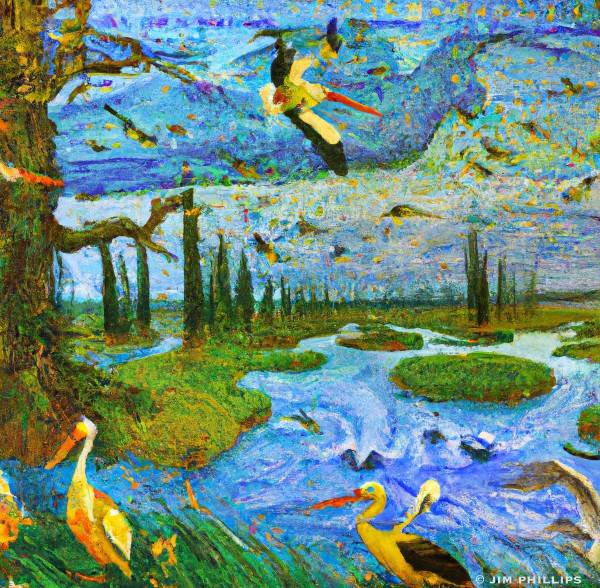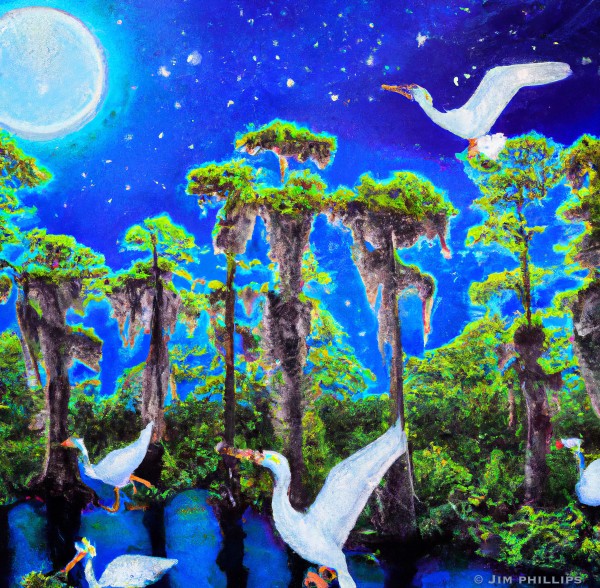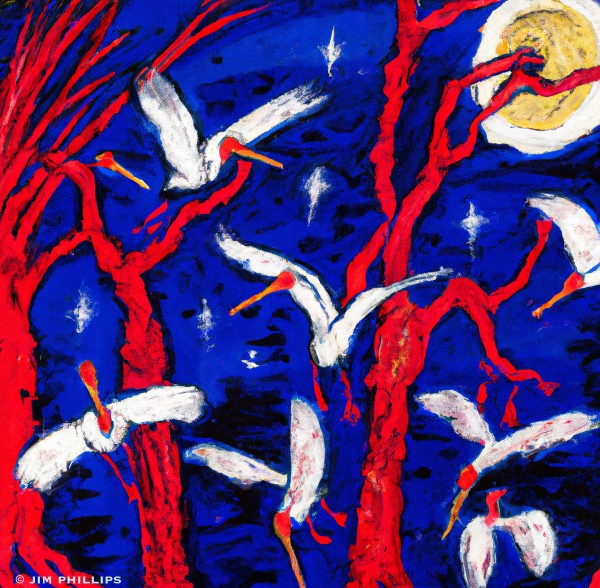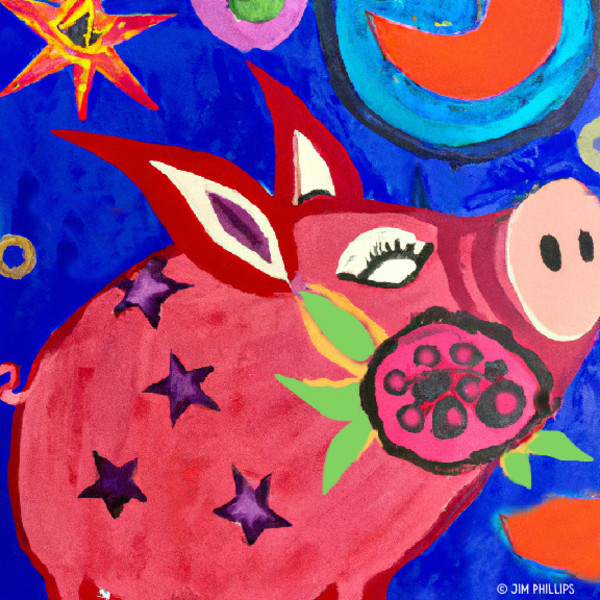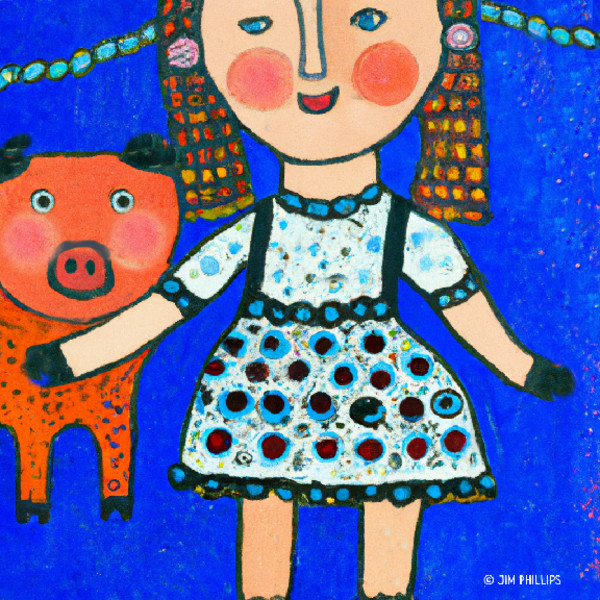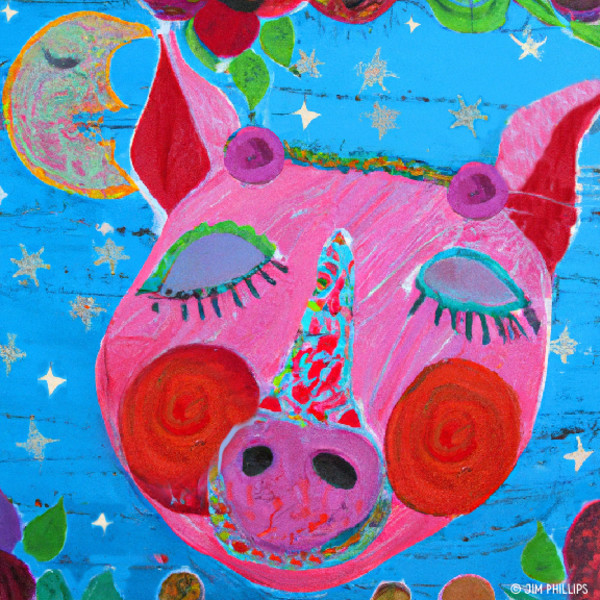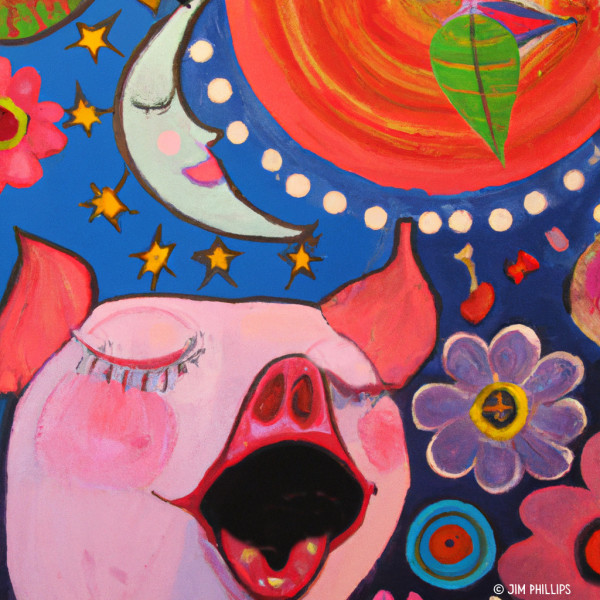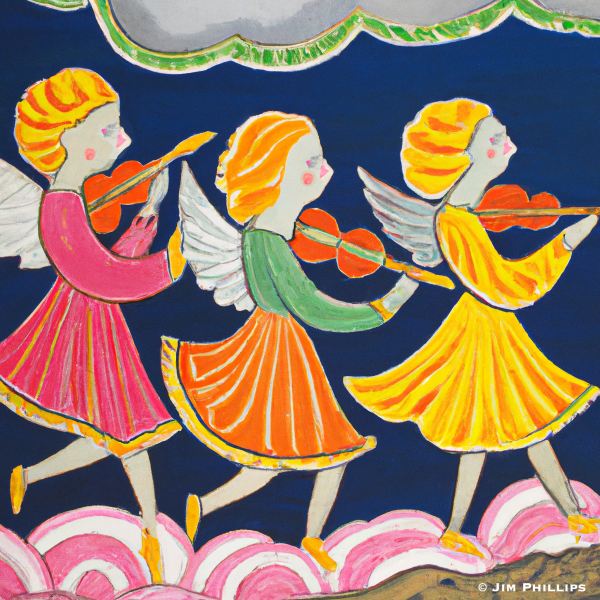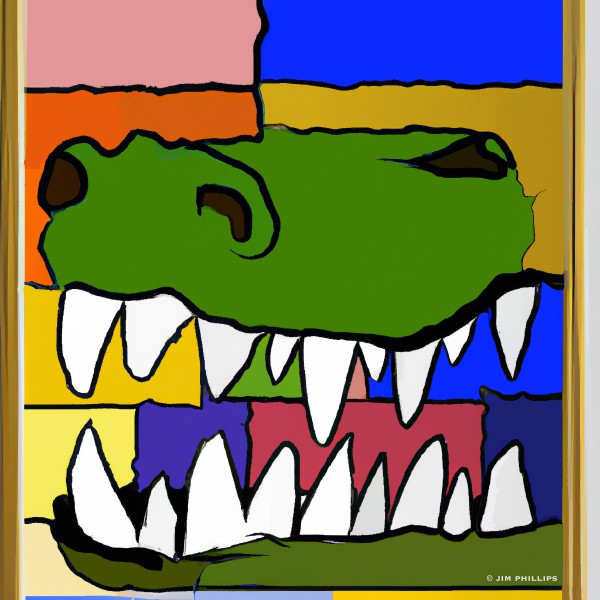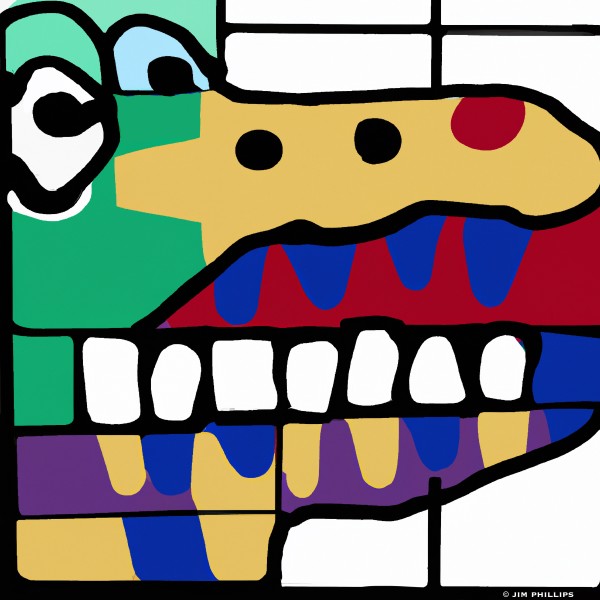
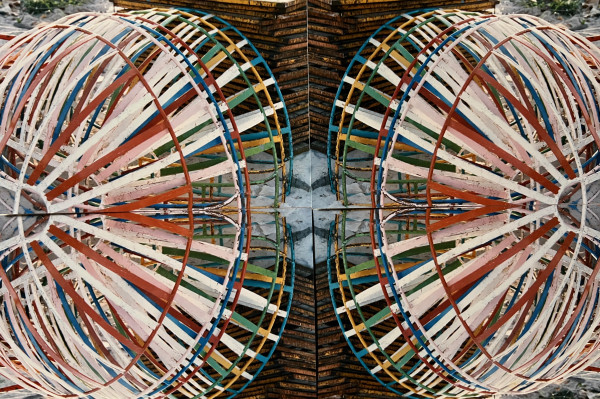
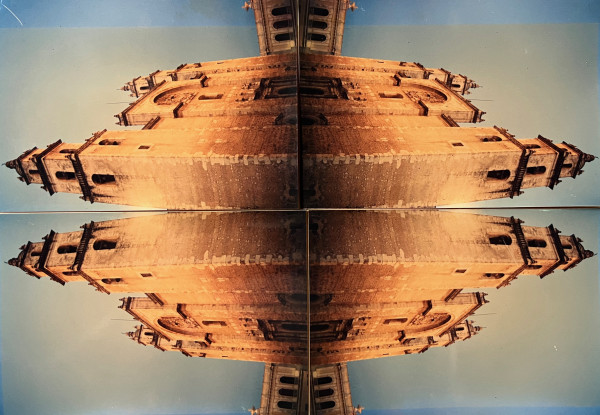
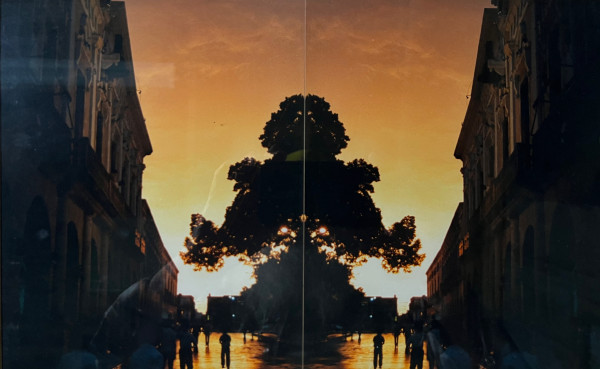
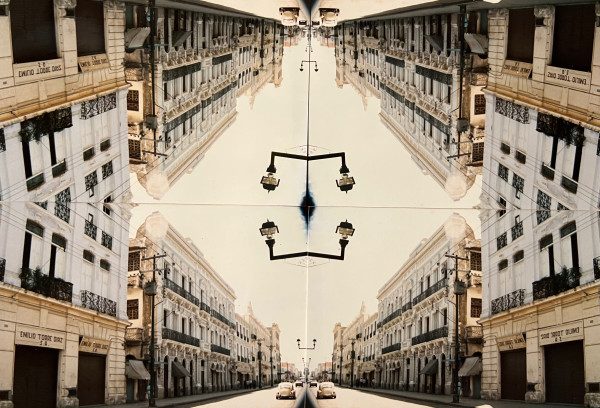
Jim’s Mandala Photography transforms everyday, often overlooked 35 mm photographs into intricate symmetrical forms that invite contemplation and delight. By mirroring and amplifying shapes, textures, and colors, commonplace images are reimagined as visually rich mandalas—objects that are both meditative and playful.
Rooted in the long history of mandalas as tools for focus, balance, and the creation of sacred space, this work carries that tradition forward through contemporary photographic practice. Symmetry becomes a guiding principle, drawing the eye inward and encouraging stillness, while repetition creates a rhythm that supports reflection and calm.
What distinguishes Jim’s approach is a quiet sense of humor. Unexpected or incongruous elements often remain visible within the mirrored forms, allowing moments of surprise and laughter to surface alongside contemplation. In this way, the work embraces the healing potential of joy as much as the centering power of meditation.
Through this process, ordinary photographs evolve into what Jim thinks of as navigational maps—visual passages that many cultures have long used to orient the mind toward harmony and well-being. Each mandala offers a dual experience: a striking visual composition and an invitation to slow down, look more closely, and rediscover balance through both wonder and play.
Rooted in the long history of mandalas as tools for focus, balance, and the creation of sacred space, this work carries that tradition forward through contemporary photographic practice. Symmetry becomes a guiding principle, drawing the eye inward and encouraging stillness, while repetition creates a rhythm that supports reflection and calm.
What distinguishes Jim’s approach is a quiet sense of humor. Unexpected or incongruous elements often remain visible within the mirrored forms, allowing moments of surprise and laughter to surface alongside contemplation. In this way, the work embraces the healing potential of joy as much as the centering power of meditation.
Through this process, ordinary photographs evolve into what Jim thinks of as navigational maps—visual passages that many cultures have long used to orient the mind toward harmony and well-being. Each mandala offers a dual experience: a striking visual composition and an invitation to slow down, look more closely, and rediscover balance through both wonder and play.