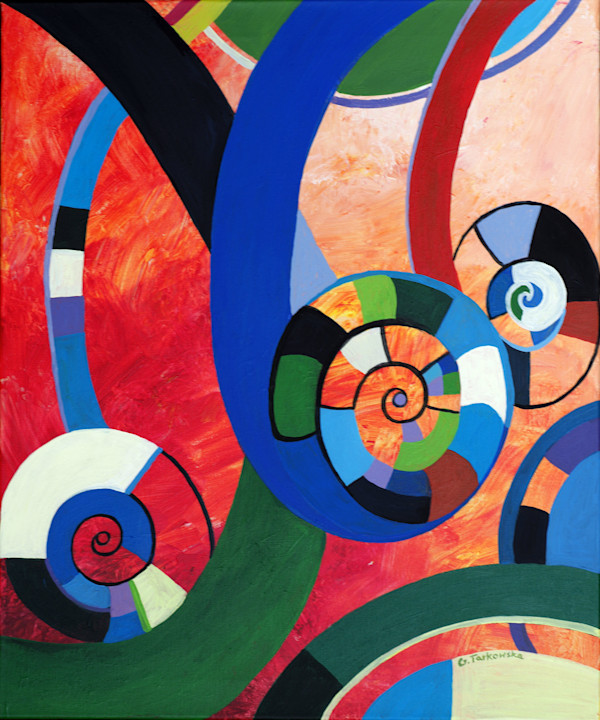
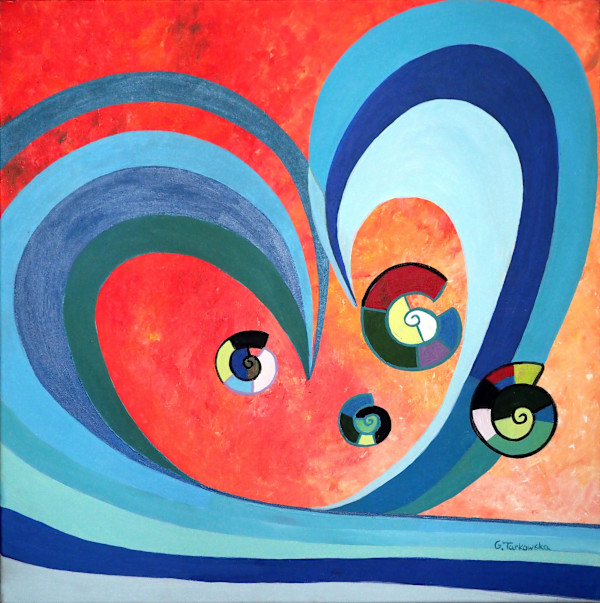
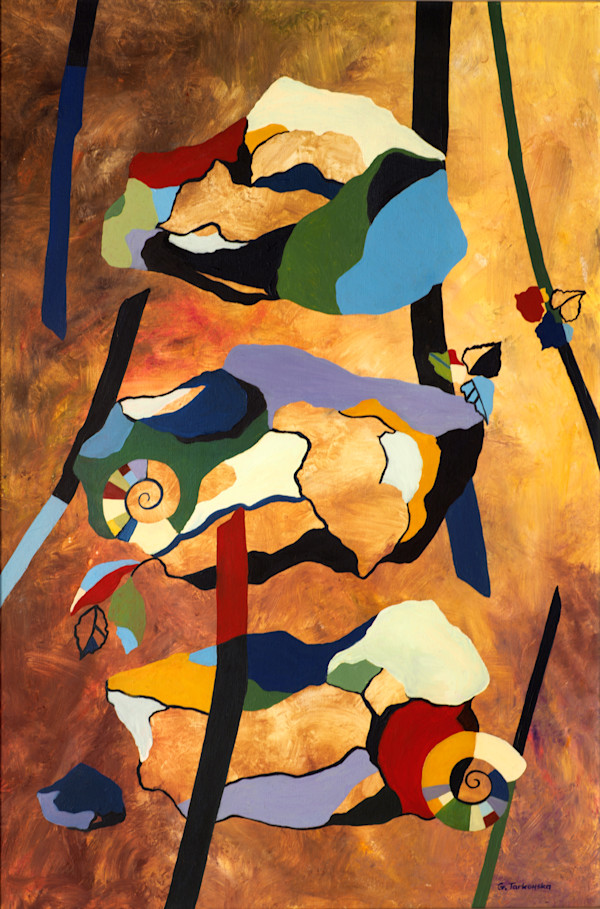
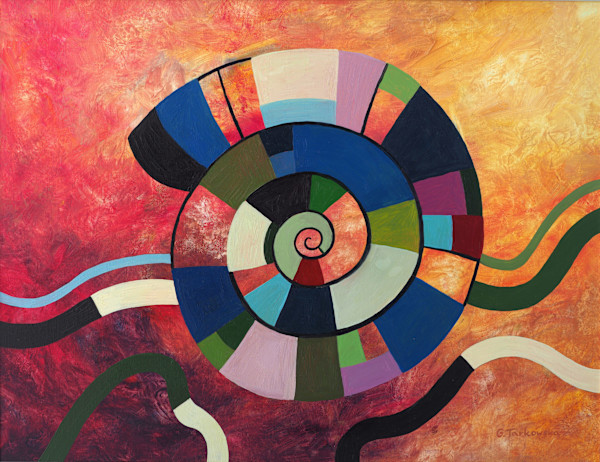
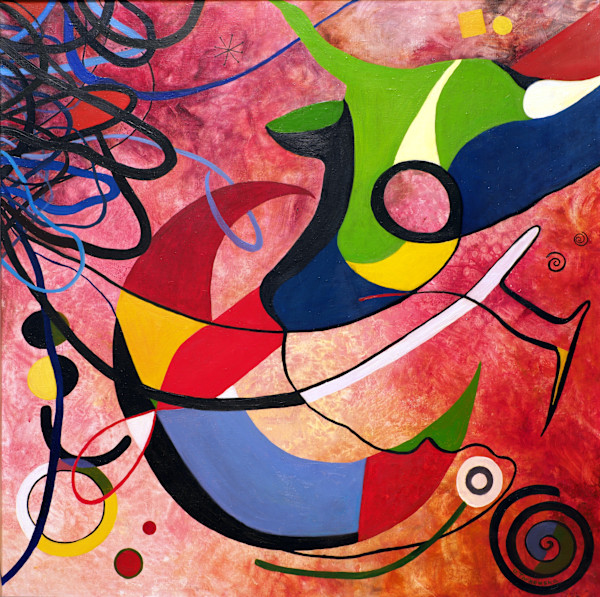
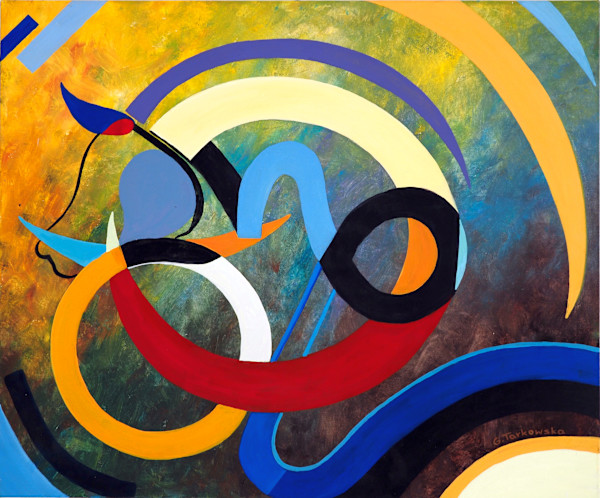
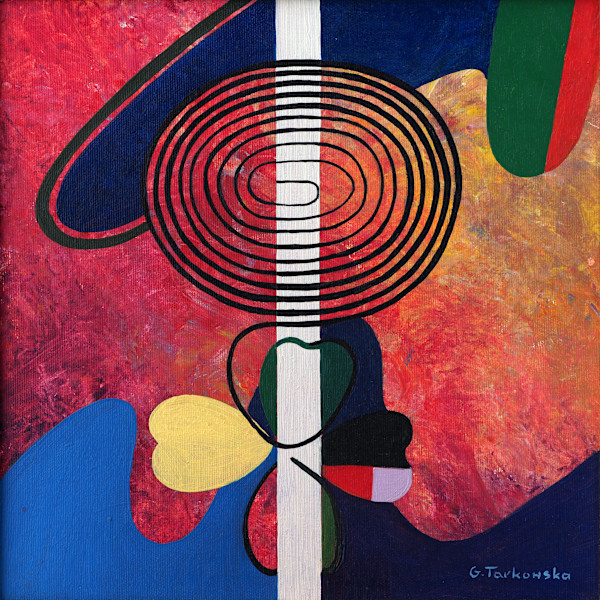
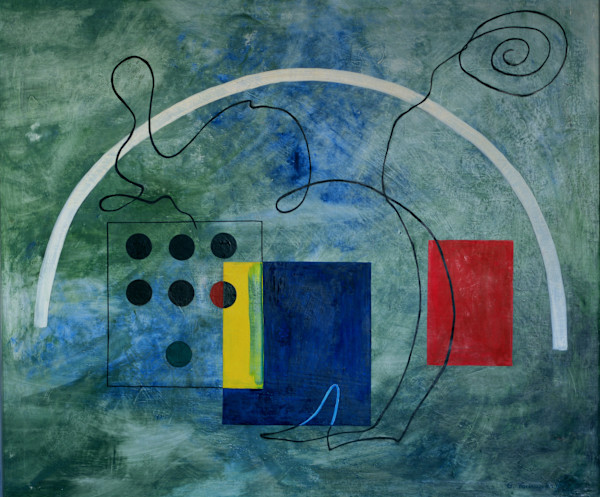
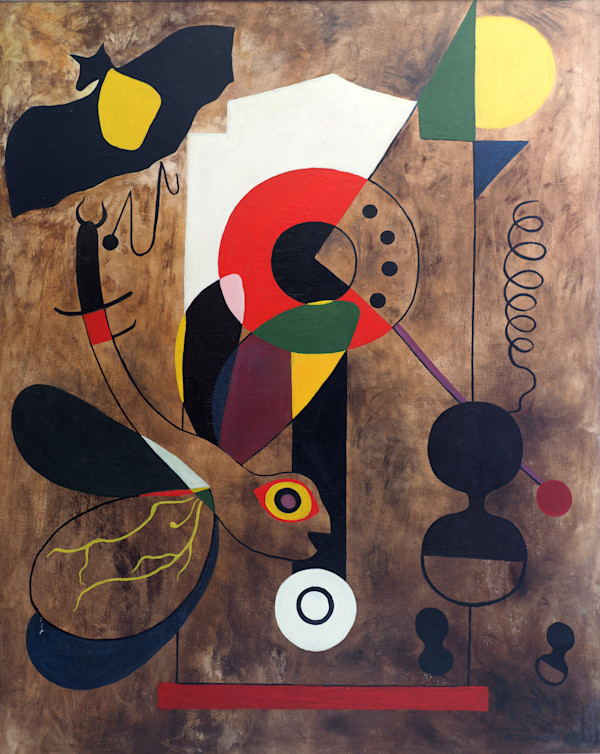
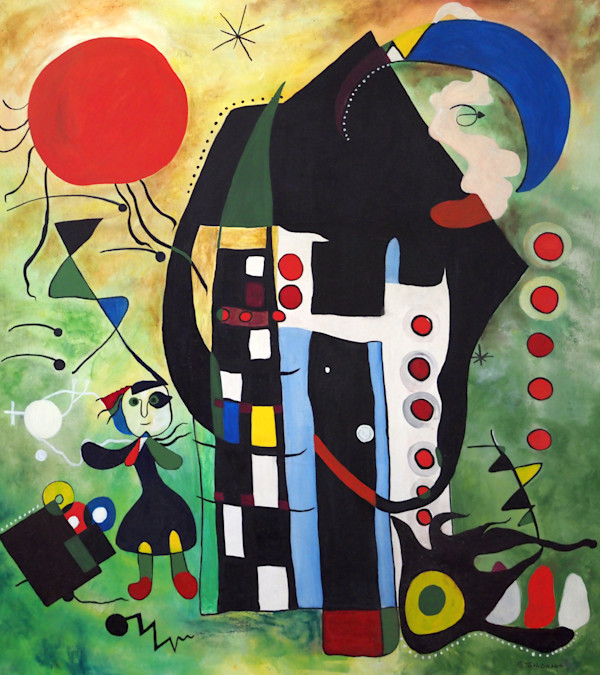
Memory of Nature explores the ways in which forms persist across time, preserved in matter, transformed by perception, and carried into new systems of meaning. Spirals recall ammonites and vanished seas; rock becomes a record of ancient life; traces of organisms emerge from geological structures as reminders of worlds that no longer exist.
The sequence moves from an imagined prehistoric past toward the tangible landscape of the Polish Jura. Specific rocks and fossil-bearing stones give physical presence to deep time, while the ammonite becomes a recurring form connecting organism, fossil, and living nature. Gradually, these natural forms begin to cross into another territory: the spiral reappears in an animal, the animal becomes a sign, and signs enter into relationships of their own.
In the later works, memory is no longer held only in stone or biological form. It survives through symbols, associations, and visual echoes whose meanings can shift from one context to another. Familiar signs of identity, luck, chance, and time appear, combine, and sometimes resist interpretation.
Rather than reconstructing the past, the collection considers how fragments of it remain active in the present — how forms endure, return, and acquire new meanings. Nature becomes both archive and imagination: a place where traces are preserved, but never remain unchanged.