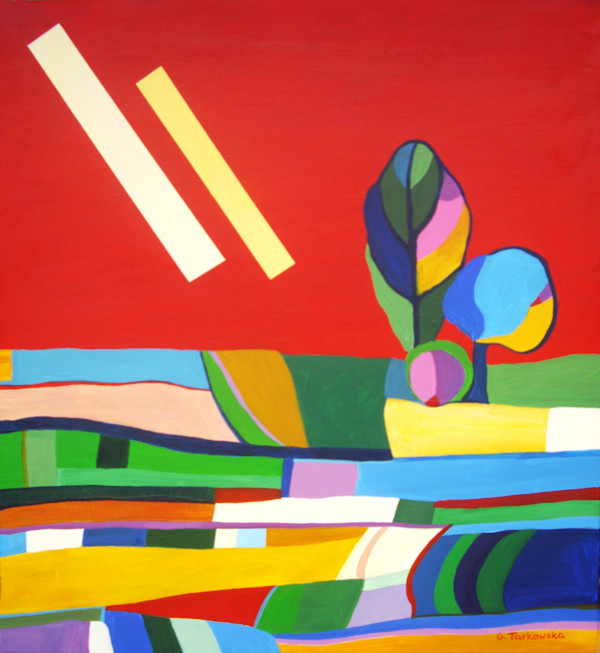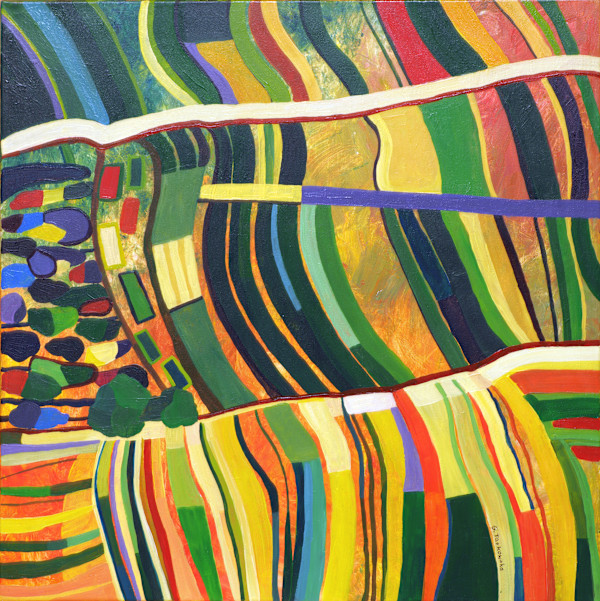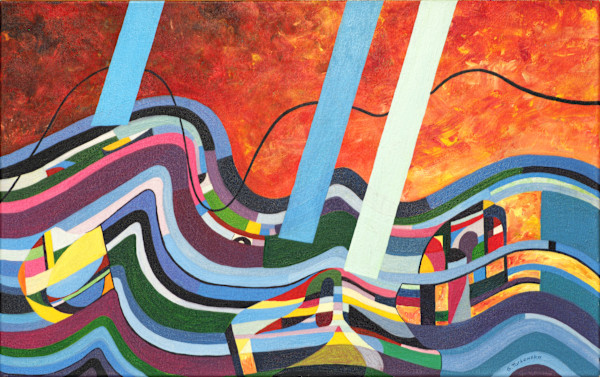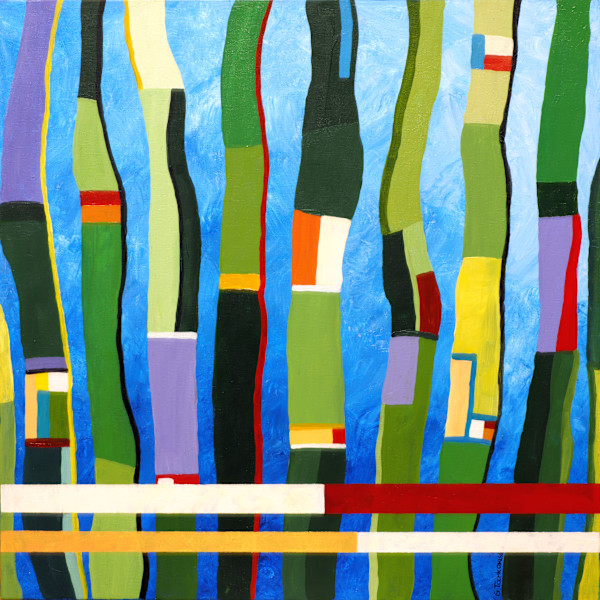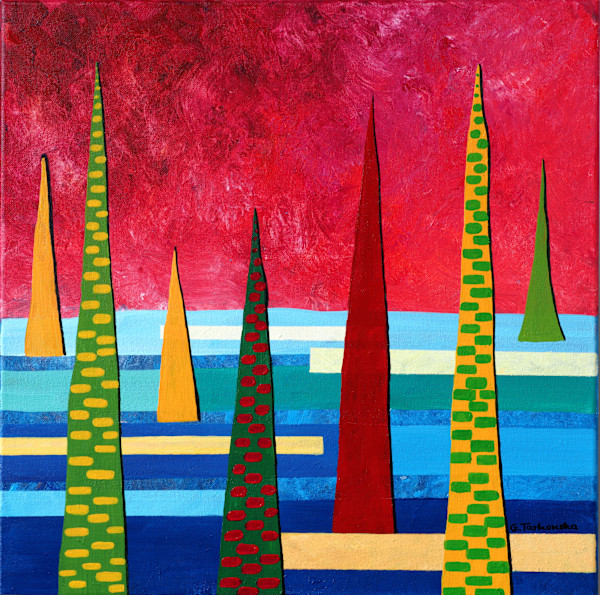
Nature Observed explores the changing distance between the viewer and the natural world. The sequence begins with landscape — fields, horizons, trees, light, and water — seen from different perspectives and gradually transformed through color and simplified form. Observation is never neutral: distance, viewpoint, light, and attention determine what becomes visible and what remains only an impression.
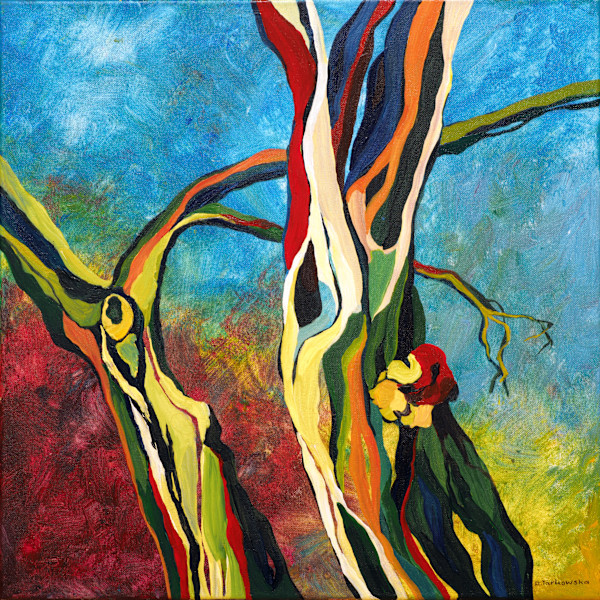
As the sequence unfolds, looking becomes a more sensory experience. A landscape is encountered as an elemental force; imagined sound enters the act of seeing; trees cease to be features of a distant view and reveal structures of their own. The perspective moves progressively closer, from surroundings to living forms and from habitat to inhabitant.
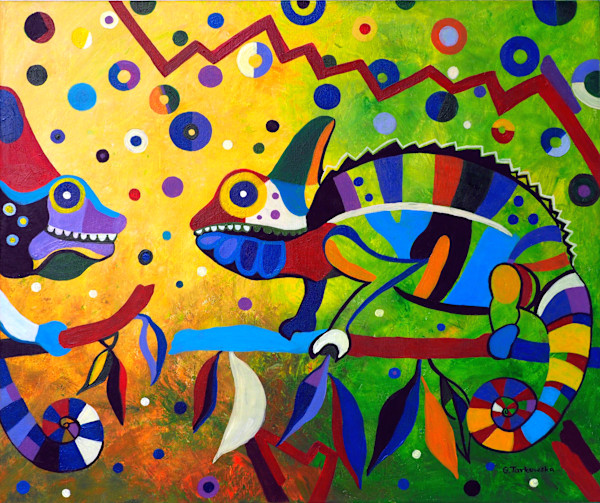
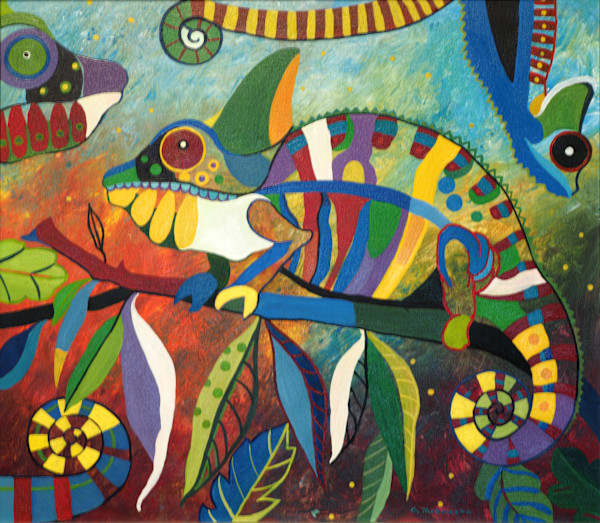
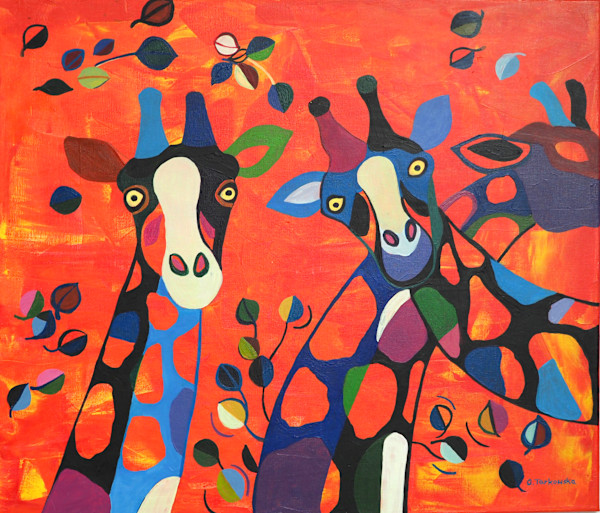
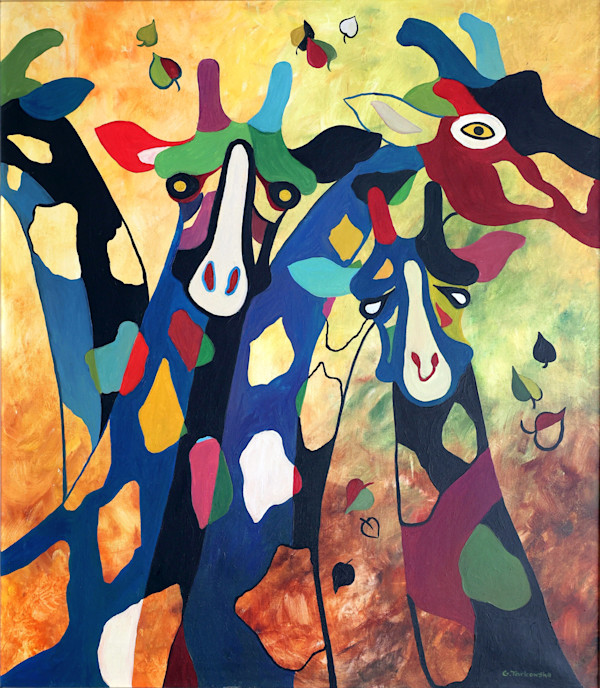
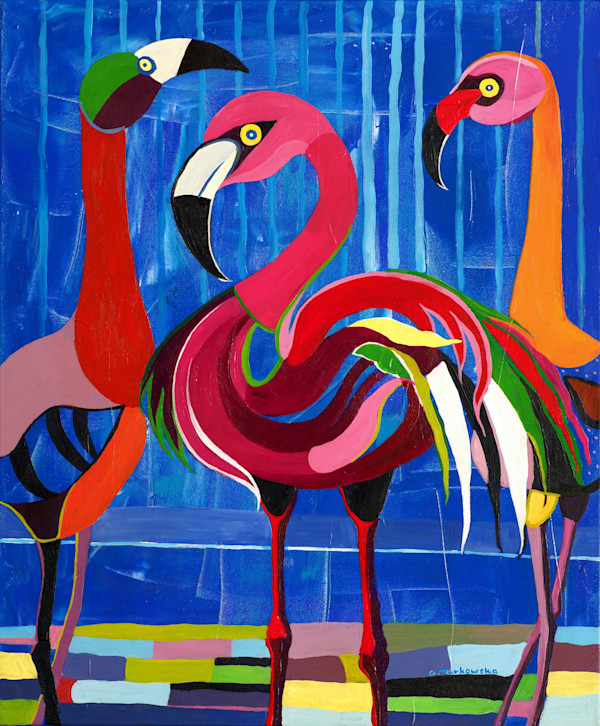
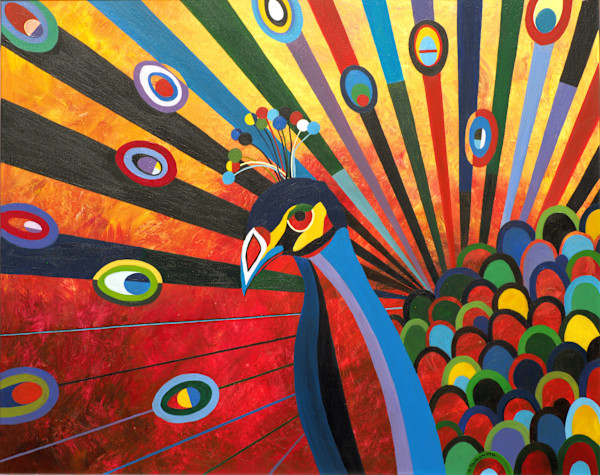
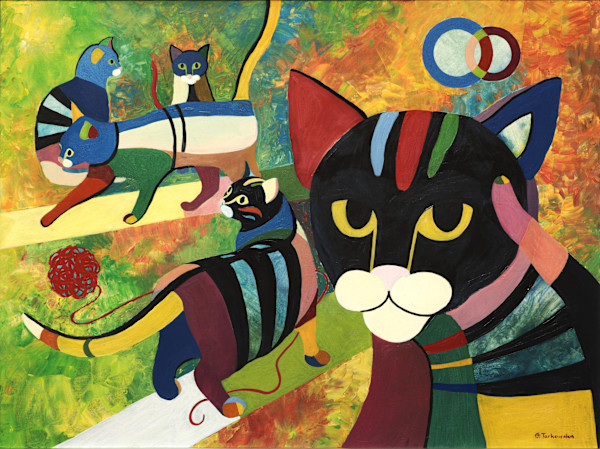
With the appearance of animals, observation becomes encounter. Creatures adapt to their surroundings, share space, gather, touch, and gradually emerge as individual presences. Their forms invite attention not only to how they look, but to how they exist in relation to their environment and to one another.
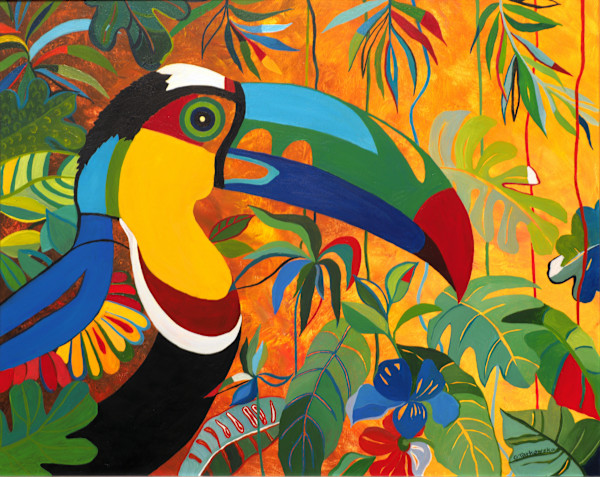
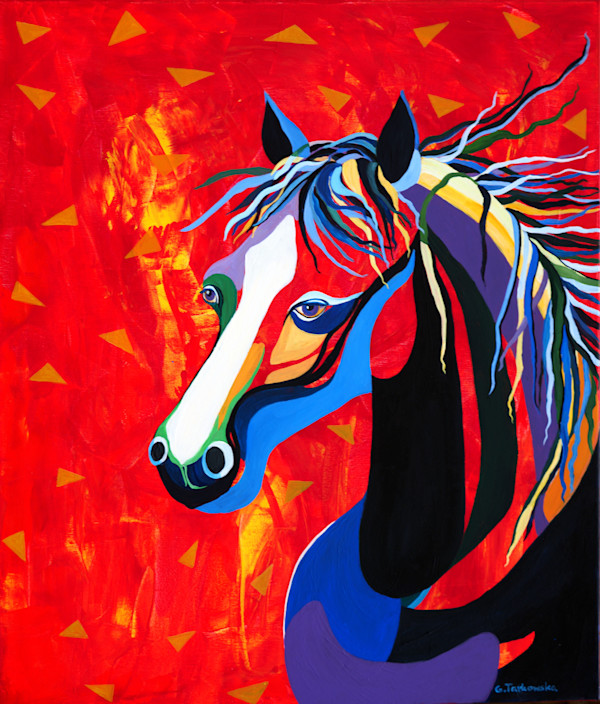
In the final works, the direction of observation begins to shift. Animals acquire an increasingly distinct presence; a gaze may be returned, and the boundary between observer and observed becomes less certain. Nature is no longer simply something viewed from outside, but a world with its own inhabitants, relationships, and ways of being — a world we may approach closely without ever fully possessing.