
In the 1930s, Álvarez Bravo met Paul Strand, traveling with him while he worked in Mexico, and Henri Cartier-Bresson. With Cartier-Bresson and Walker Evans he exhibited in a three-man show at the Julien Levy Gallery, New York, in 1935. Mexico was a cultural hub for many in the international avant-garde in these years; André Breton visited, including Álvarez Bravo in the Exposition of Surrealism he organized in 1940 in Mexico City. Although the artist never identified with Surrealism, it was a major theme in the analysis of his pictures throughout his career. Revealing the influence of his formative years following the Mexican Revolution of 1910, Álvarez Bravo would instead speak of his interest in representing the cultural heritage, peasant population, and indigenous roots of the Mexican people in the face of rapid modernization." - MoMA
Additional Artworks
From Villanova University Art Collection
-

Joyce Tenneson
Dogwood, 2004
Archival pigment print
22 x 17 in
-

Tom Baril
Eustoma, 1998
Gelatin silver print from a collodion negative
15 x 19 in
-
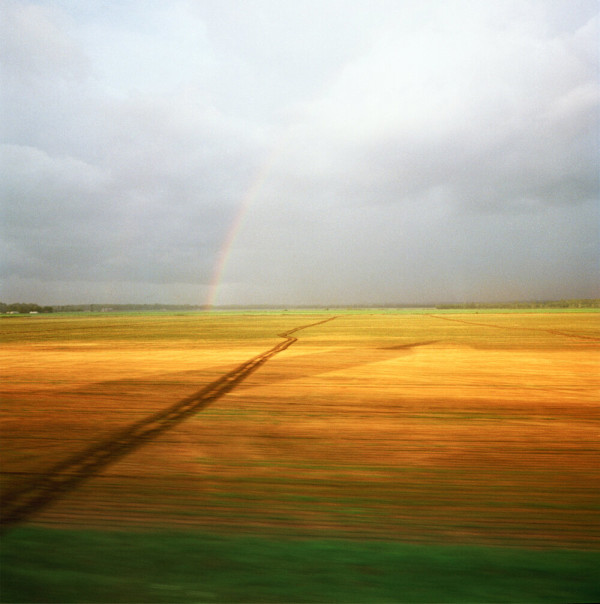
Alen MacWeeney
From An Amtrak Train, Indiana, 1996
Photograph
24 x 20 in
-
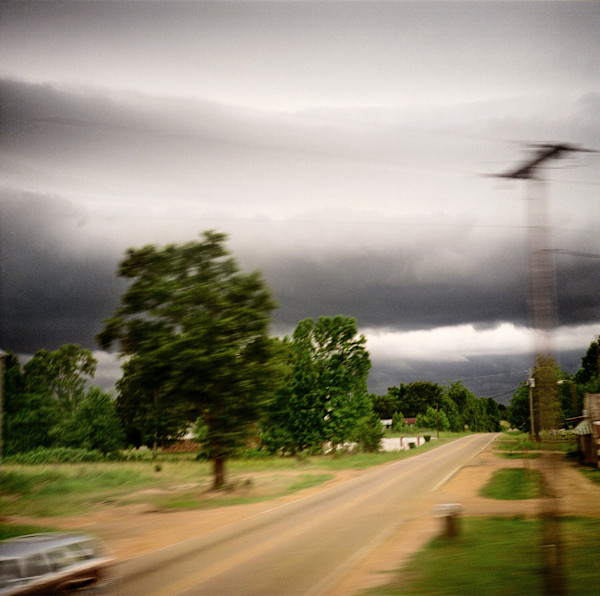
Alen MacWeeney
From An Amtrak Train, Mississippi, 1996, 1996
Photograph
24 x 20 in
-

Alen MacWeeney
From An Amtrak Train, Louisiana, 1996, 1996
Photograph
24 x 20 in
-
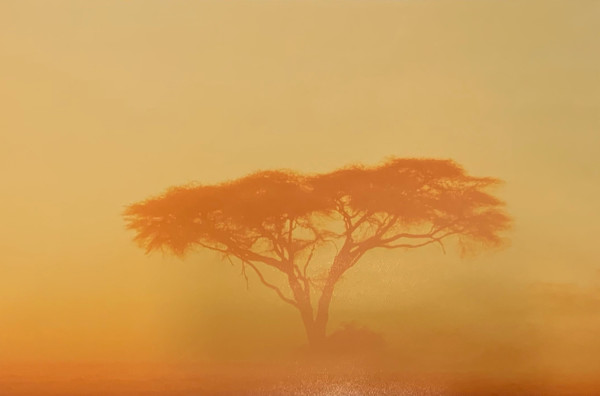
Pete Turner
Dust Storm, 1970
-

Pete Turner
Doorway to Nowhere, 1963
-
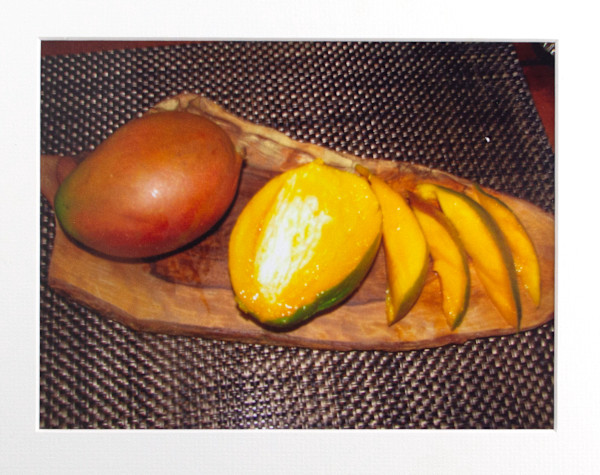
Mili Dunn Weiss
Fruit 3
Photograph
7.25 x 10 in
About the artist
Manuel Alvarez-Bravo
