This artwork features a modified Stihl Chainsaw inside a glass showcase filled with wood shavings, created by multimedia artist Mark Huebner.
Details of the Artwork
Stihl Chainsaw: A modified petrol-powered saw mounted in a wooden custom display case.
Display Case: A wooden and glass enclosure layered with sawdust and wood chips, featuring the artist's name, Mark Huebner, on the front edge.
Artistic Theme: The piece juxtaposes industrial machinery with natural wood remnants, reflecting themes of human technology and environmental impact.
This specific showcase piece is deeply tied to Mark work serves as a conceptual artifact and critique regarding human-led ecological destruction.
Content and Conceptual Message
The Machine Trapped: By placing the industrial chainsaw inside a sealed glass showcase, Huebner strips the machine of its functionality. It transitions from a violent tool of active destruction into a sterile, static museum specimen, much like an animal captured in a terrarium.
The Remnants of Action: The bed of wood shavings and sawdust represents the immediate casualties of the machine. The tool is buried in the very waste it creates, emphasizing a cycle of permanent environmental loss.
The Human Signature: The prominence of the artist's name carved or stamped on the display anchors the machine directly to human intention. It underscores accountability, signaling that deforestation and industrial impact are deliberate human constructs.
Relationship to the "Atmósfera" Performance Project
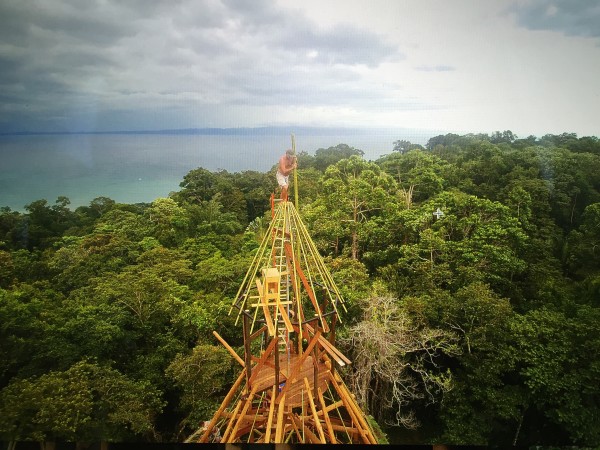
In the overarching Atmósfera live performance, Huebner staged the aggressive "slaughtering" and sectioning of massive, fallen jungle trees right before an audience.
The Tool of the Performance: The chainsaw was the primary instrument used to carry out this violent, live alteration of natural materials.
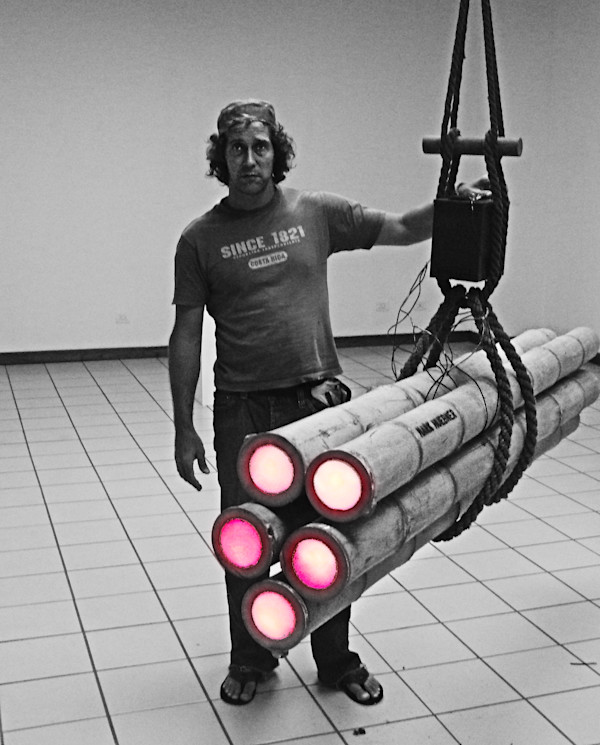
Industrial Life Support: After the trees were cut down and restructured, they were symbolically connected to hospital-grade oxygen tanks. This created a striking juxtaposition: the mechanical destruction of nature versus humanity's desperate, artificial attempt to engineer its survival.
The Living Archive: This glass showcase functions as the "living archive" or historical relic of that performance. The chainsaw is preserved in the space as the inactive antagonist—a monument to the technological power that permanently alters our natural world.
Mark Huebner’s transition into the Costa Rican art scene brought a stark aesthetic shift that deeply impacted critics and viewers alike. His performance and installation project Atmósfera (2003) at the Museum of Contemporary Art and Design (MADC) serves as a conceptual bridge between his European industrial background and his raw encounters with the tropical rainforest.
Historical Reception: Confrontation and Discomfort
The debut of Atmósfera in San José was met with mixed feelings of intense curiosity and severe discomfort.
The Shock Value of Sound: The historical reception of the live performance heavily centered on its visceral nature. Critics noted that the jarring noise of multiple chainsaws echoing through the museum galleries, backed by rhythmic live drumming, created an oppressive, panic-inducing sonic space.
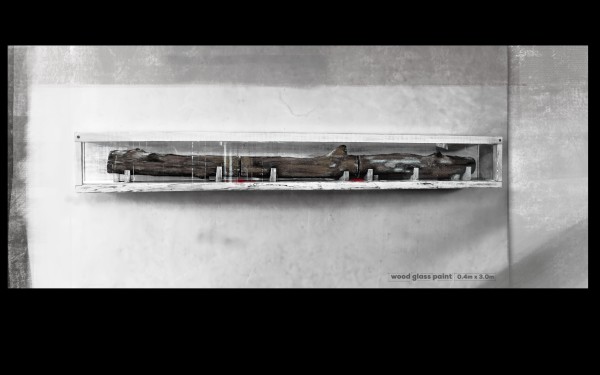
Metaphorical Violence: By orchestrating fifteen people "slaughtering" and sectioning immense driftwood trees dragged directly from the local beaches, Huebner forced the metropolitan audience to look face-to-face at the aggressive realities of logging and deforestation.
A Counter-Narrative to "Green" Costa Rica: In a country universally recognized for eco-tourism and environmental preservation, Huebner’s exhibition was seen by regional curators as a critical, raw reminder that natural capital is constantly under threat from human technology. It explicitly targeted the "human element" by displaying the literal tools of ecological destruction—like the showcased chainsaw—as modern historic artifacts.
Relationship to Prior Works: The Concept of "Air" [ Date: 1998
Inventory Number: P56]
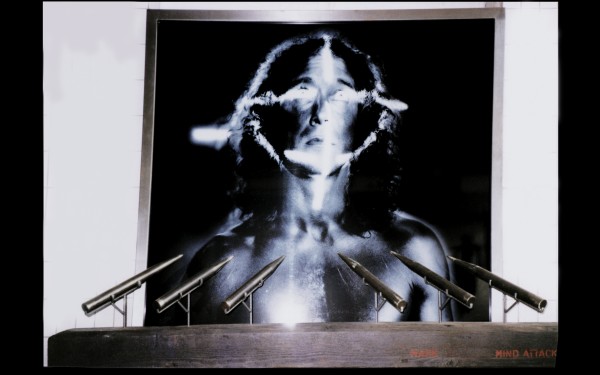
Before embedding himself in the Costa Rican wilderness, Huebner's studio practice in Germany was dominated by heavy, rigid metals. However, the concept of breath, survival, and technology had already begun formulating in an important interactive environment piece titled Air.
The two themes closely correlate across his artistic timeline:
Conceptual Element Prior Work: Air Evolution in Atmósfera
Primary Imagery Industrial oxygen tanks alongside an active aircraft propeller. Industrial oxygen tanks connected directly to fallen, butchered trees.
The Role of "Air" Explored how technology manipulates, traps, or artificially creates the invisible medium required for human survival. Shifted the focus to the survival of the forest ecosystem. The air supply represents a mechanical life-support system for a nature we have already killed.
Underlying Motif The continuous cycle of creation, destruction, and mechanical penetration into natural spaces. A direct, localized application of that same destruction where machines (the chainsaw) choke out natural "air" producers (the trees).
In essence, Air was a sterile, mechanical inquiry into how humanity encapsulates life-giving elements. Atmósfera took those exact mechanisms—the oxygen tanks—and coupled them with the chainsaw to stage a literal tragedy of environmental emergency. The chainsaw showcase stands as the quiet, post-apocalyptic aftermath of that thematic evolution.
larger multi-media performance and installation project titled Atmósfera (Atmosphere), which debuted at the Museum of Contemporary Art and Design (MADC) in San José, Costa Rica.


![BAMBOO ROCKS [S.A.] by MARK., Image 1.](https://assets.artworkarchive.com/image/upload/t_jpg_medium_width/v1/user_42700/pitoza_1655_sw_mod._1_wh8d8y.jpg)