
One of the foremost artists of the shin-hanga (“new prints”) movement, Kawase Hasui is celebrated for his lyrical landscapes and masterful use of light and atmosphere. Born in Tokyo, he studied under Kaburagi Kiyokata and began designing prints for the publisher Watanabe Shōzaburō around 1918. Deeply influenced by Western realism yet rooted in Japanese tradition, Hasui depicted temples, villages, and seasonal scenes across Japan with poetic serenity. His travel sketches inspired iconic series such as Souvenirs of Travel (Tabi miyage) and Collection of Scenic Views of Japan. Designated a Living National Treasure in 1956, he remains a defining figure of 20th-century woodblock printing, admired for his technical refinement and tranquil, melancholic mood. Hasui died in Tokyo in 1957.
Additional Artworks
From Jerome Lion
-
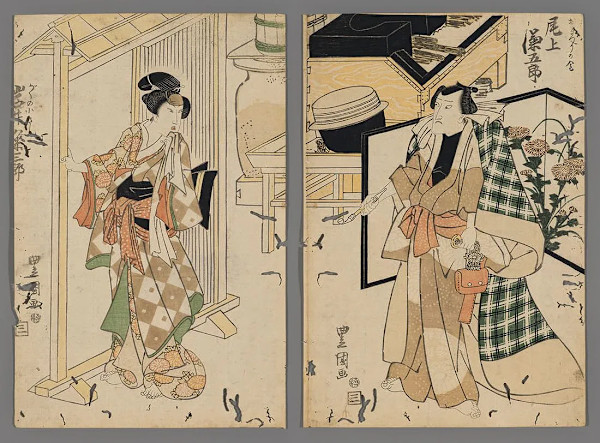
UTAGAWA TOYOKUNI I
Kabuki Diptych, c. 1820
Color woodblock print on paper
14 5/8 x 19 1/2 inches
-
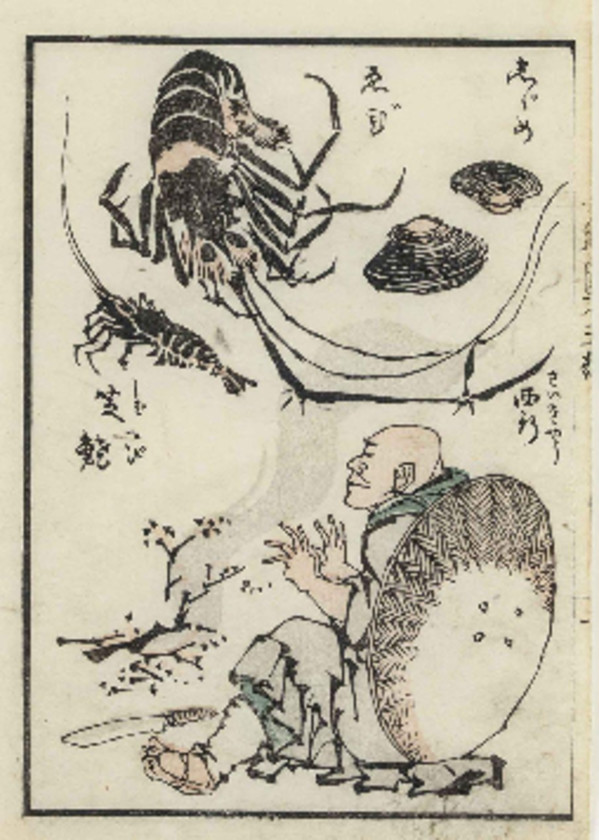
KATSUSHIKA HOKUSAI
"Genshin Gakyo" serie, c. 1810
Color woodblock print on paper
22 x 15.5 cm
-
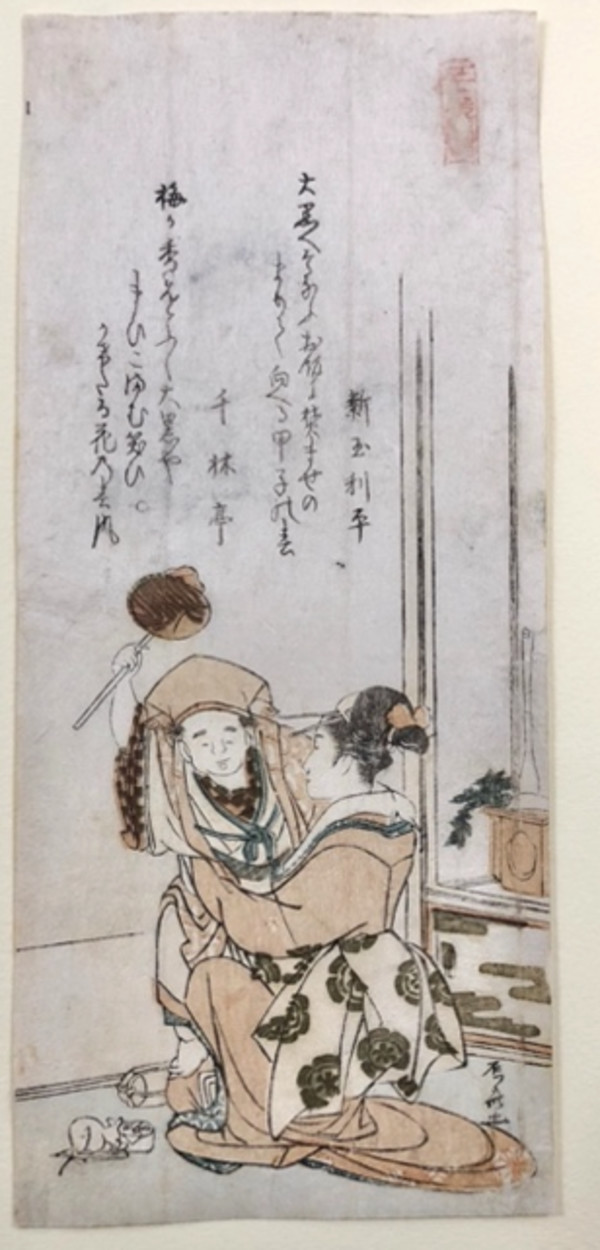
RYURYUKYO SHINSAI
Woman and child in the guise of Daikoku, c. 1810
Color woodblock print on paper
H 211 mm x L 93 mm
-
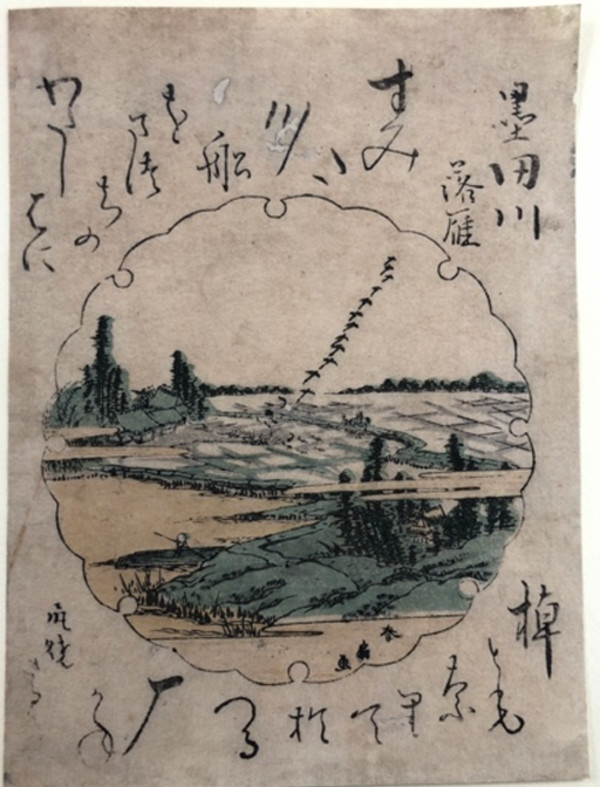
KATSUKAWA SHUNSEN
Katada Rakugan View From Omi Hakkei, 1810
Color woodblock print on paper
H 231 mm x L 171 mm
-
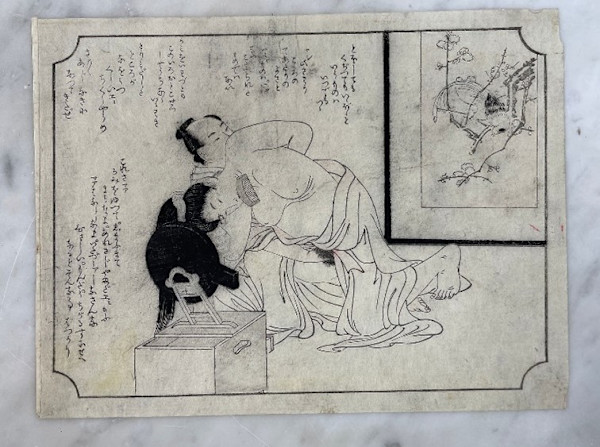
KITAGAWA UTAMARO
Shunga - Married woman with her young lover, c. 1802
woodblock print on paper
20.6 x 15.5 cm
-
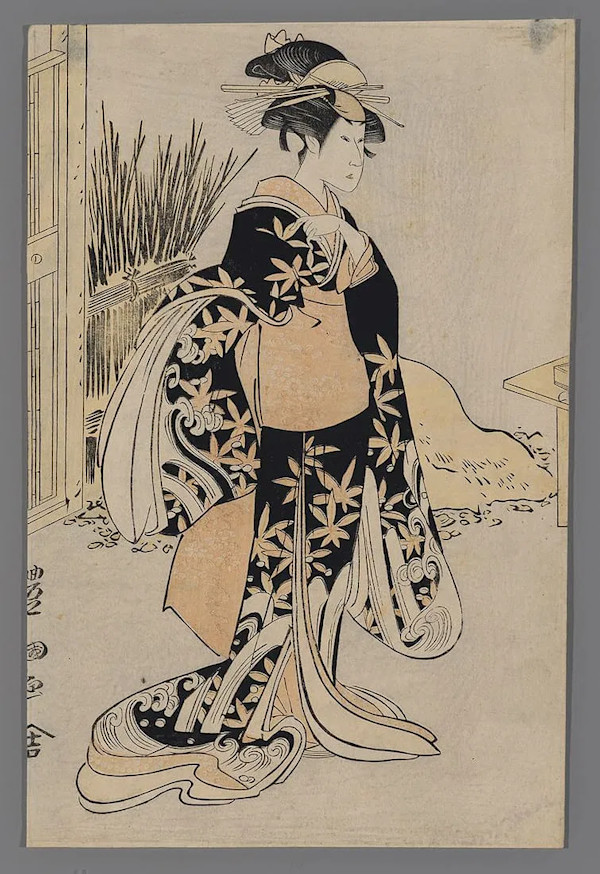
UTAGAWA TOYOKUNI I
Onagata, c. 1790
Color woodblock print on paper
13 1/2 x 9 inches
-
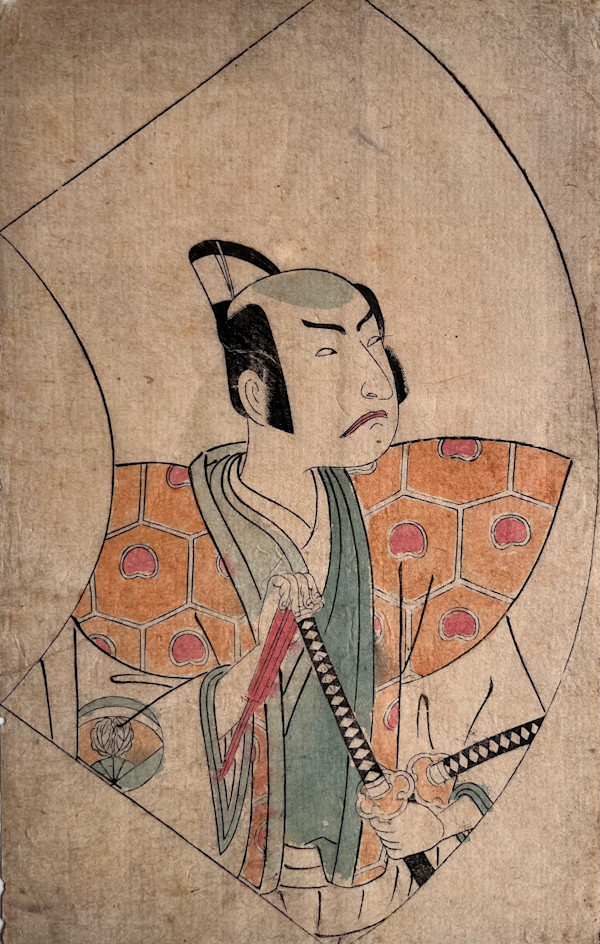
IPPITSUSAI BUNCHO
Ichikawa Somegorō in kabuki role, c. 1770
Color woodblock print on paper
23x14,5 cm
-

Isoda Koryusai
Seven Gods of Good Fortune, 18th century
Color woodblock print on paper
62.5 × 12 cm
About the artist
KAWASE HASUI
1883-1957