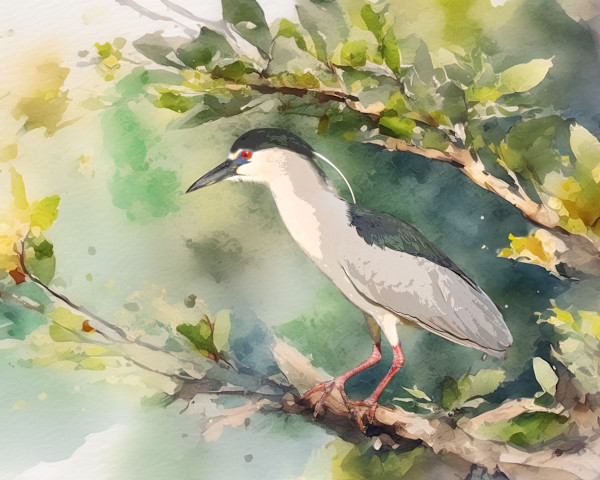
The Downy Woodpecker (Dryobates pubescens) is the smallest woodpecker in North America, measuring only about 6-7 inches long, with a black-and-white checkered pattern on its wings, a white back stripe, and a stubby bill that's noticeably shorter relative to its head compared to its larger lookalike, the Hairy Woodpecker. Males have a small red patch on the back of the head, which females lack. Common across forests, parks, and even backyard feeders throughout the U.S. and Canada, Downy Woodpeckers are agile foragers, often seen clinging to small branches and twigs — even weed stalks — to pick out insects, larvae, and berries, and they readily visit suet feeders in winter. Their calls include a sharp "pik" note and a descending whinnying trill, and they're known for a rapid, soft drumming pattern used to communicate and establish territory rather than to excavate as deeply as larger woodpecker species. Note that the lack of a red patch on the back of its head indicates that this is a female.