Title: Roses and Revolution
Series Title: African American Life Series
Date: 2009
Creator: Dudley Randall
Edits and Introduction by Dr. Melba Joyce Boyd
Publisher: Wayne State University Press, Detroit
Scope and Context:
Roses and Revolutions: The Selected Writings of Dudley Randall, edited with an introduction by Dr. Melba Joyce Boyd, was published by Wayne State University Press in 2009.
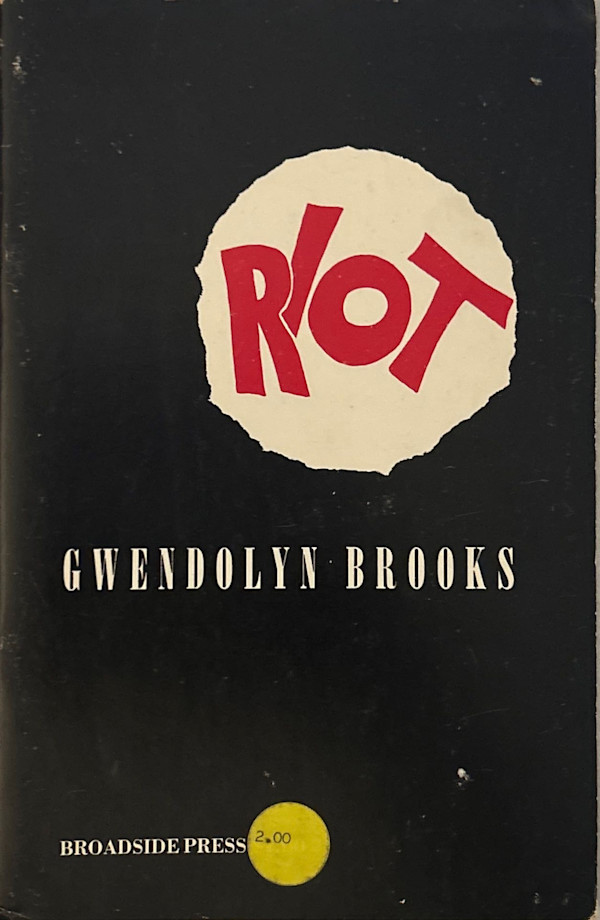
Dudley Randall (1914–2000) was a foundational figure in 20th-century Black American literature: a poet, editor, and cultural organizer best known as the founder of Broadside Press in Detroit. Through Broadside, Randall transformed Black publishing by creating an accessible platform for African American poets—among them Gwendolyn Brooks, Nikki Giovanni, Sonia Sanchez, and Don L. Lee (later Haki Madhubuti). His own poetry, marked by formal clarity, political urgency, and deep humanism, bridged traditional verse and Black Arts aesthetics, insisting that poetry be both rigorous and publicly available.
Roses and Revolutions is the most comprehensive single-volume collection of Randall’s writing. Dr. Boyd’s editorial work organizes the poems thematically and provides essential historical and biographical context, making Randall’s contributions legible to new generations of readers while honoring his role as a literary architect of Black Detroit.
The book received widespread critical acclaim, including designation as a 2010 Michigan Notable Book and finalist recognition for the 2010 NAACP Image Award for Outstanding Literary Work (Poetry). Praise from leading poets and scholars, including Naomi Long Madgett, affirms the volume’s significance as a major scholarly and cultural achievement.
The book’s cover—and the flyer used to promote its publication—features Booker T. & W.E.B. (1979) by Shirley Woodson, a towering figure in Detroit art history. Woodson is well-known for her richly symbolic paintings that center African American history, spirituality, and self-determination. She worked closely with Randall through the second half of the 20th century to illustrated numerous publications from Broadside Press. Her depiction of Booker T. Washington and W.E.B. Du Bois here situates Randall’s literary legacy within a broader visual and intellectual tradition, linking debates about Black progress, education, and freedom across generations of Detroit-based cultural producers.
Together, the book's cover and the flyer reflect the convergence of Black literary and visual art traditions in Detroit—honoring Randall’s enduring influence, Boyd’s scholarly stewardship, and Woodson’s essential role in shaping the city’s cultural imagination.